고정 헤더 영역

상세 컨텐츠
본문 제목
Defending the Unreleased: A Discourse on Transparency and Accountability in the Epstein Files Case
본문
반응형
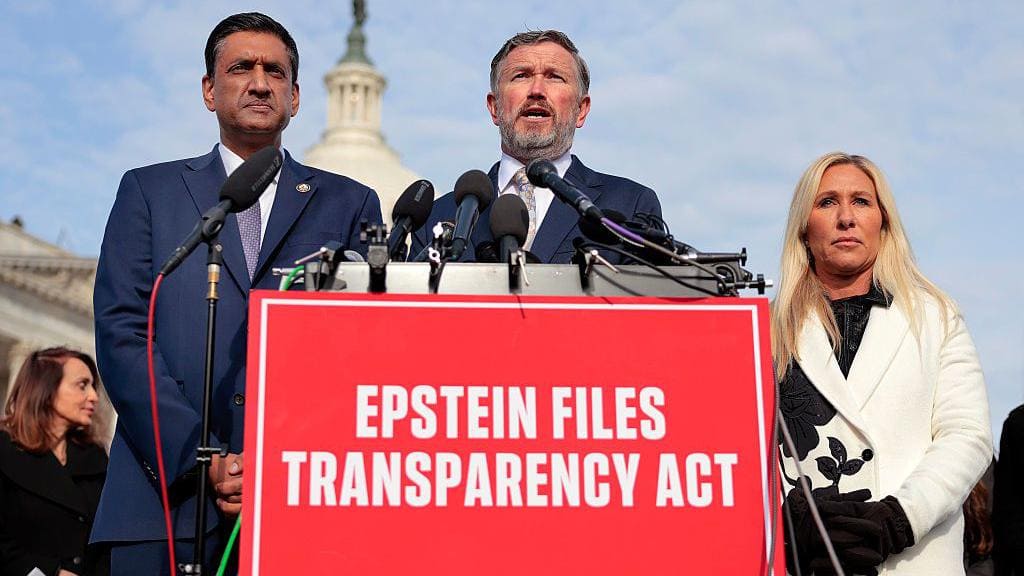
The recent statements by Deputy Attorney General Todd Blanche defending the release of over three million pages related to the Jeffrey Epstein case have sparked significant controversy and criticism. While the Justice Department asserts that it has taken necessary precautions to protect victims, survivors of Epstein’s abuse contend that these assurances fall short, as they continue to face the exposure of sensitive information.
In a world where transparency is vital in matters of such gravity, the release of these documents—complete with unredacted victims' names—highlights a profound oversight in safeguarding those who have already suffered immensely. Blanche’s attempt to downplay the errors in redaction, which he claims impact only "about. 001% of all the materials, " does little to mitigate the distress and risk faced by survivors. Such figures fail to capture the human experiences behind these numbers, underscoring the need for a more empathetic perspective on the consequences of bureaucratic missteps.
Survivors have rightfully voiced their outrage, pointing out the paradox of exposing their identities while arguably shielding their abusers and enablers from scrutiny. This perspective resonates deeply in a society increasingly focused on justice and accountability for all parties involved in sexual exploitation. The call for completeness in the release of associated files is not just a demand for transparency but a plea for acknowledgment of their pain and the failures of those in power.
Blanche's dismissal of the criticisms from lawmakers as hasty indicates a troubling disconnect between the administration and the very individuals impacted by its decisions. The notion that those in authority are out of touch with the gravity of their actions should serve as a wake-up call. The act of dismissing concerns with “we have nothing to hide” rings hollow in the face of tangible harm caused by redaction failures.
Moreover, the statement that the department’s review of Epstein-related files is "over" raises critical concerns about the thoroughness of the investigation. The complexities of such a high-profile case demand ongoing scrutiny, and the survivors' assertions that numerous abusers remain unexposed warrant a more thorough review before concluding the matter. Accountability and justice are not simply tasks to be checked off; they require ongoing engagement and commitment to the victims’ journeys toward healing.
As this narrative unfolds, it is essential for the Justice Department to embrace accountability transparently. Open doors for lawmakers to review unredacted materials are commendable but insufficient if survivors' voices and concerns remain sidelined. A collaborative approach involving ongoing dialogue with the affected parties can foster greater trust in the system and help rebuild their faith in the pursuit of justice.
In conclusion, Deputy AG Blanche’s defense of the Epstein file release underscores not just the administrative challenges associated with such significant disclosures but also the urgent need to prioritize victim protection and survivor voices. As the reverberations of this case continue to unfold, it is imperative for all stakeholders to remember that behind every document is a story deserving of respect, understanding, and the promise of accountability. The path toward healing and justice is one that must be navigated with sensitivity, diligence, and unwavering commitment to those who have suffered deeply.

반응형


