고정 헤더 영역

상세 컨텐츠
본문
반응형

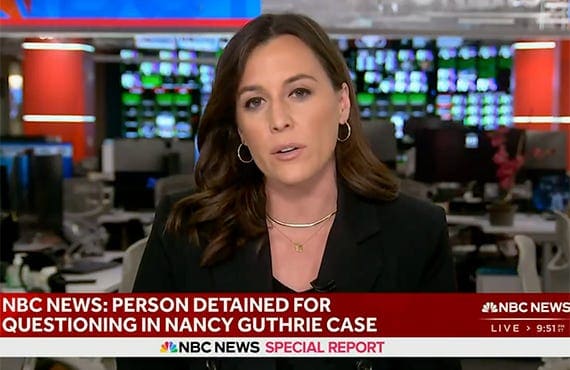
The release of a man who had been detained for questioning in the high-profile case surrounding Nancy Guthrie reveals not only the complexities of the legal process but also the urgency for clarity and justice in such investigative scenarios. As new information continues to surface, it becomes increasingly vital to consider the implications of this situation for both the individuals involved and the broader community.
Nancy Guthrie's case has garnered widespread attention, not just for its personal tragedy but for the broader questions it raises regarding safety, legal protocols, and community trust. The recent update—that the individual previously detained has been released—signals a pivotal moment in the investigation. This development may initially lead to relief for some, but it also underscores the uncertainty that often accompanies criminal investigations.
The release of a suspect is inherently complex. It calls into question the thoroughness of investigative procedures and the evidence that may or may not support continued detention. While law enforcement agencies must ensure the rights of individuals are respected and upheld, they also bear the grave responsibility of accurately assessing threats to community safety. In the wake of such a delicate balance, public trust becomes a critical factor—a trust that can be easily eroded if the processes appear to lack transparency or thoroughness.
Moreover, the emotional toll on the victim's family and the community cannot be understated. The past weeks have likely been a time of immense stress and uncertainty, not just for Nancy Guthrie’s loved ones but also for members of the community who are coming to terms with the implications of violence and the effects it has on their daily lives. Providing clear and timely updates about the investigation is essential for mitigating fear and ensuring that justice remains a priority.
In the wider context, this case feeds into an ongoing conversation about how society handles violence, criminal justice, and the mechanisms in place for protecting victims and providing necessary support for their families. As communities grapple with public safety concerns, it becomes evident that systemic improvements are essential. Each step taken in investigations like this reflects on the larger framework of justice and community resilience.
As we await further updates, it is imperative that all stakeholders—including law enforcement, legal representatives, and community leaders—work collaboratively to foster an environment where justice is not only pursued but seen to be pursued. This encompasses not just those directly involved but also the community at large, as they navigate the complexities of grief, fear, and the demand for accountability.
In conclusion, the case of Nancy Guthrie serves as a vital reminder of the importance of transparency, diligence, and compassion in the face of tragedy. As developments unfold, it is crucial for all involved to remain committed to the pursuit of truth and justice, fostering a sense of security and hope amidst uncertainty. The journey towards healing and accountability is often fraught with challenges, but it is one that must be undertaken with unwavering resolve. Only through diligence and empathy can a community truly begin to heal and thrive, moving forward from the shadow of violence and loss.


반응형


