고정 헤더 영역

상세 컨텐츠
본문
반응형
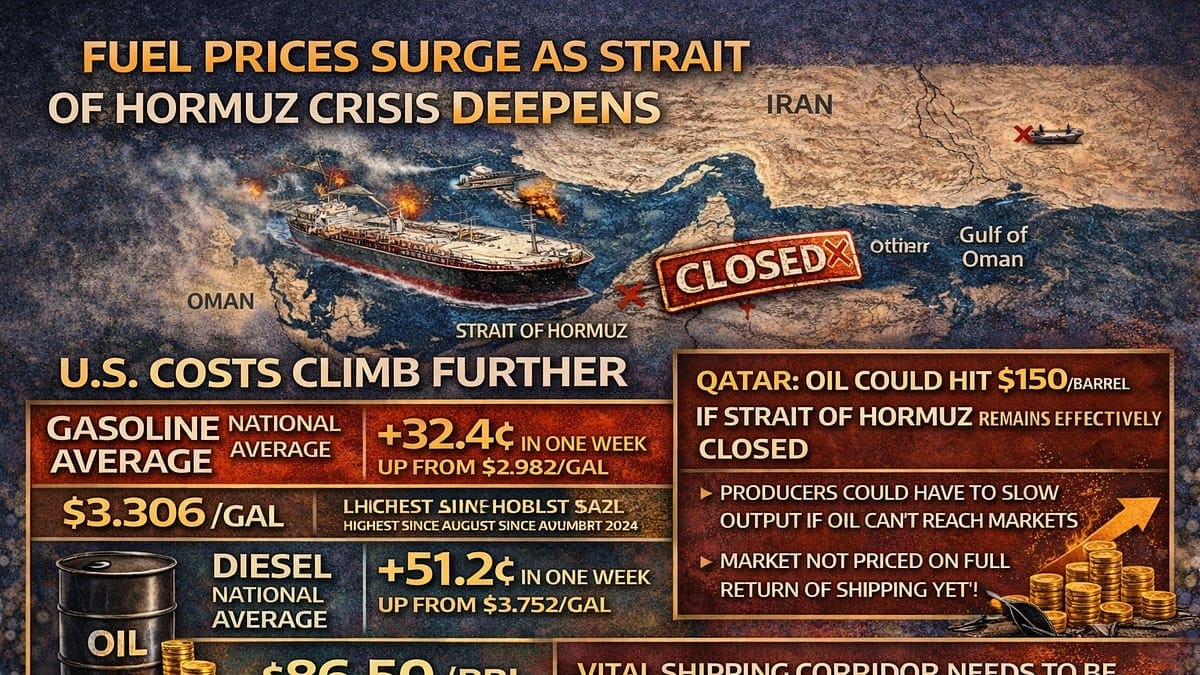
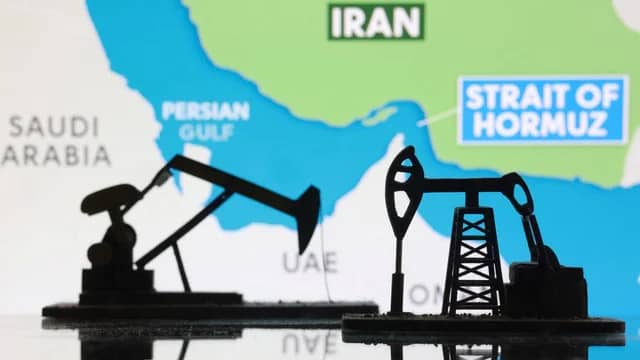
As tensions escalate in the Middle East, the ongoing conflict in Iran has precipitated an alarming rise in oil and gas prices, sending shockwaves through global markets. With the strategic Strait of Hormuz—the pivotal waterway through which approximately 20% of the world’s oil supply transits—under threat, the ramifications of this crisis extend far beyond the region, impacting economies worldwide.
The correlation between geopolitical instability and oil prices is not new. Historically, conflicts in the region have triggered significant fluctuations, often leading to panic among consumers and investors alike. The current situation, marked by the potential for conflict to disrupt shipping routes, underscores the vulnerability of global supply chains to regional turmoil. As reports indicate, crude oil prices have surged, driven by fears of supply disruptions and heightened uncertainty surrounding future production levels.
The Strait of Hormuz is not merely a maritime passage; it serves as a lifeline for energy markets. Any threat to this corridor raises concerns about supply shortages, leading to immediate market reactions. In essence, the turbulence surrounding Iran plays a dual role: it not only exacerbates existing tensions but also amplifies the potential for economic destabilization across the globe, particularly for nations reliant on imported energy.
As oil prices rise, the ripple effects are felt in various sectors. Consumers can expect increased costs at the pump, which may lead to inflationary pressures affecting everyday goods and services. This inflation can compound existing economic challenges for many countries, particularly those still recovering from the impacts of the COVID-19 pandemic. Businesses dependent on energy will face rising operational costs, further straining their resources and complicating recovery efforts.
Moreover, the geopolitical implications of this crisis demand careful consideration. Nations will need to navigate the complexities of international energy diplomacy while managing domestic pressures related to rising costs. This scenario presents both challenges and opportunities for alternative energy sources as countries grapple with the urgency to reduce dependency on fossil fuels amid escalating prices.
In conclusion, the crisis in the Strait of Hormuz and the ensuing surge in oil and gas prices highlight the fragile interconnections between geopolitical events and global economics. As nations brace for the economic repercussions of this instability, a reevaluation of energy strategies is imperative. The need for diversification in energy sources and investment in sustainable alternatives becomes increasingly crucial as we face a future where geopolitical tensions will continue to influence the global economy. Ultimately, this situation serves as a stark reminder of the intricate relationship between energy security and international stability, prompting a necessary conversation about preparedness and resilience in the face of such challenges.

반응형


