고정 헤더 영역

상세 컨텐츠
본문
반응형
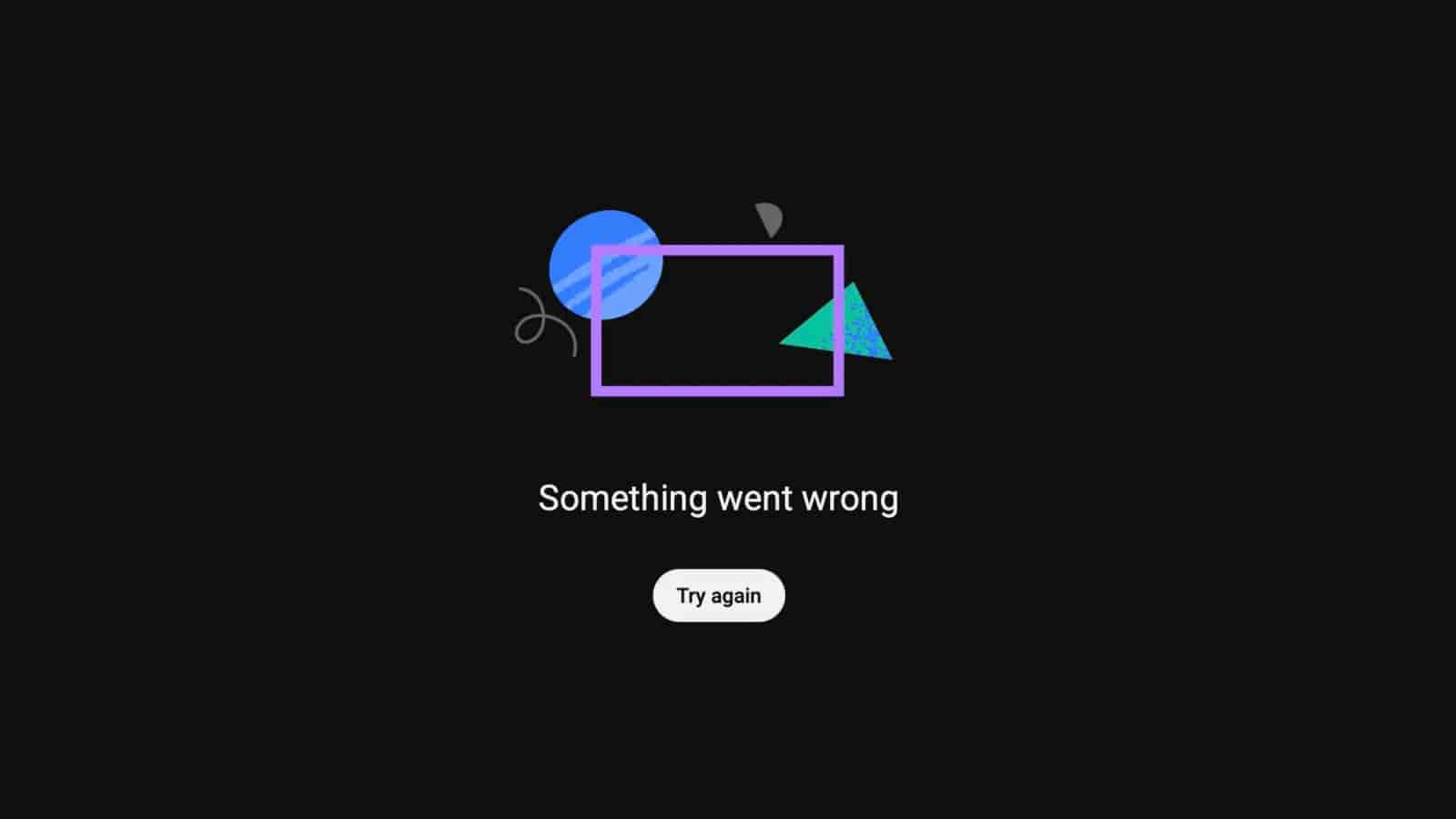
On a seemingly ordinary day, YouTube experienced a significant global outage, catching millions of users off guard and illuminating the fragility of our digital infrastructures. With problems first reported around 7:50 PM ET, users quickly flooded social media with their frustrations, showcasing how integral the platform has become to our everyday lives.
YouTube's global outage occurred due to a critical fault in its recommendations system, which rendered videos inaccessible across multiple surfaces—be it the app, website, or even related services like YouTube Music and YouTube Kids. Google confirmed this issue caused widespread disruption, leading to over 280,000 outage reports in the United States alone at the peak of the crisis. The outage reflects a growing problem in our increasingly connected world where much of our daily interaction, education, and entertainment is reliant on digital platforms.
This incident serves as a stark reminder of the vulnerability faced by major tech companies and their services. Infrastructure that supports vast networks must be resilient, and while outages can occasionally happen, the scale of this disruption raised questions about Google’s preparedness for and response to such technical difficulties. Ironically, while digital platforms aim to enhance connectivity and accessibility, moments like these reveal how swiftly things can unravel when vital services fail.
The immediate consequences of this outage were palpable. Content creators saw their view counts plummet, impacting engagement and revenue. Viewers, accustomed to instant access to millions of videos, were momentarily deprived of a primary source of entertainment and information. This scenario not only affected daily routines but also highlighted an underlying reliance on a singular platform for varied content consumption.
Interestingly, the reactions to the outage were a mix of disbelief and humor, illustrating how accustomed society has become to digital media. People turned to social media to express their concerns, frustrations, and memes, revealing an inherent desire to connect even in adversity. Such dynamics reinforce the need for alternative platforms and backup systems to ensure uninterrupted access to content in the face of similar challenges.
As YouTube restored its services and addressed the underlying issues, it also provided a clear lesson on the importance of robust technical support and crisis management strategies for tech companies. Users must feel assured that their preferred platforms will not only function effectively but also respond swiftly and transparently when problems arise.
In conclusion, the recent YouTube outage serves as a wake-up call about our dependency on digital platforms. While the eventual restoration of services reminded us of the resilience of technology, it also underscores our need for readiness in the face of inevitable disruptions. As we navigate this digital age, ensuring that we have reliable alternatives and an understanding of potential vulnerabilities will be essential for maintaining the seamless experiences we’ve come to expect in our daily lives.


반응형


