고정 헤더 영역

상세 컨텐츠
본문
반응형

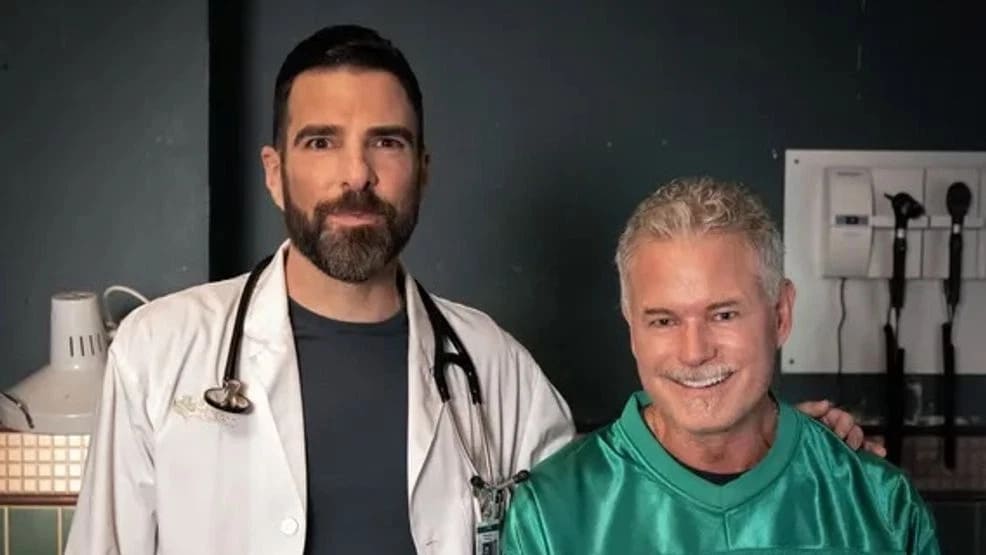
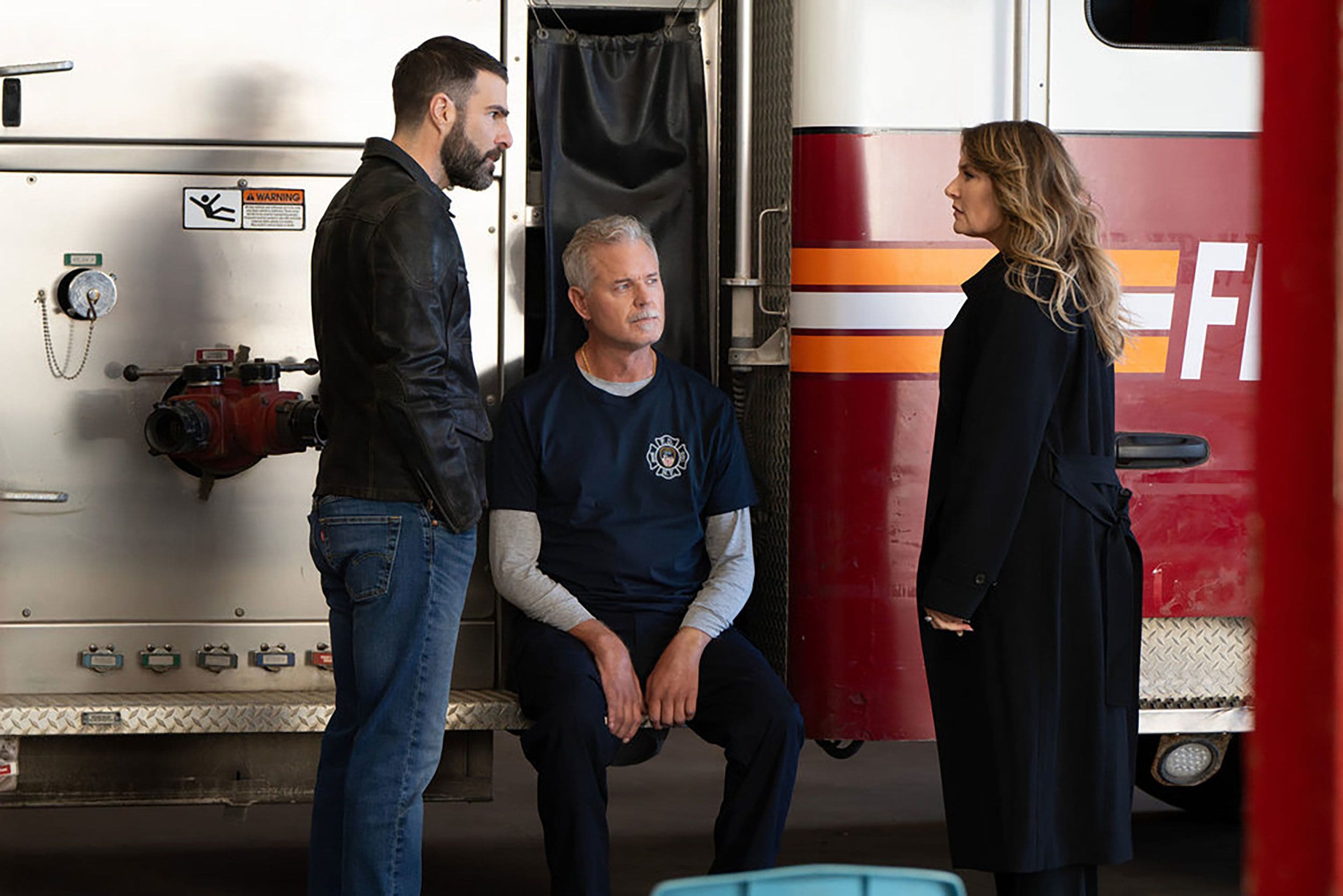
The untimely death of actor Eric Dane at the age of 53 has cast a stark light on amyotrophic lateral sclerosis (ALS), a devastating neurological disease that, despite its severity, often remains underrepresented in public discourse. Known for his role in "Grey's Anatomy, " Dane's passing not only marks the loss of a talented performer but also serves as a somber reminder of the challenges faced by those grappling with ALS.
Dane’s battle with ALS highlights the aggressive and unforgiving nature of the disease, often characterized by a rapid progression that leads to severe physical decline. As Dr. Marc Siegel pointed out, ALS presents a complex array of symptoms that can be difficult to diagnose and often progress much faster than patients and families anticipate. This reality underscores the urgency for increased awareness and research into the disease, as the current understanding remains limited, despite ongoing efforts in the medical community.
ALS associations and advocacy groups stand to gain renewed attention following Dane's death, providing a critical opportunity to raise awareness about this debilitating condition. The link between celebrity experiences with illness and public interest cannot be understated; when well-known figures speak out or raise awareness, they galvanize a broader audience to engage with often-overlooked health issues. This moment could ignite discussions not just about ALS itself but also about the support and resources available for patients and their families.
In exploring ALS, it's essential to address the environmental factors that have been suggested to influence the disease's onset and progression. The research in this area is still evolving, but some studies indicate potential links between exposure to certain toxins, military service, and increased rates of ALS. By emphasizing these factors, we can foster a more comprehensive understanding of the disease, paving the way for research that may one day lead to effective treatments or preventive measures.
Through his legacy, Eric Dane can serve as a catalyst for change. His story, along with the stories of others affected by ALS, can inspire community action and foster greater empathy toward those battling this disease. The sorrow of his passing can be transformed into a powerful call for action to advance research, enhance outreach, and improve patient care related to ALS.
In conclusion, Eric Dane’s death is a poignant reminder of the fragility of life and the impact of neurological diseases like ALS on individuals and families. As attention turns toward this condition, it is our collective responsibility to ensure that conversations about ALS lead to increased awareness and action. In doing so, we can help honor Dane's memory and support countless others affected by this devastating illness. Through advocacy, education, and research, we can strive for a future where ALS is no longer shrouded in silence and shadows, but brought into the light of understanding and hope.


반응형
'Noise' 카테고리의 다른 글
| Tragedy Strikes the NFL: Remembering Rondale Moore (0) | 2026.02.22 |
|---|---|
| U.S.-Canada Showdown: The Apex of Olympic Men's Hockey (0) | 2026.02.21 |
| The Blade Angels Take Center Stage: A Pivotal Moment in Women's Figure Skating (0) | 2026.02.20 |
| YouTube’s Recent Outage: A Reminder of Our Digital Dependence (0) | 2026.02.19 |
| Celebrating Legacy: Adam Sandler’s Tribute to Robert Duvall (0) | 2026.02.18 |


