고정 헤더 영역

상세 컨텐츠
본문
반응형
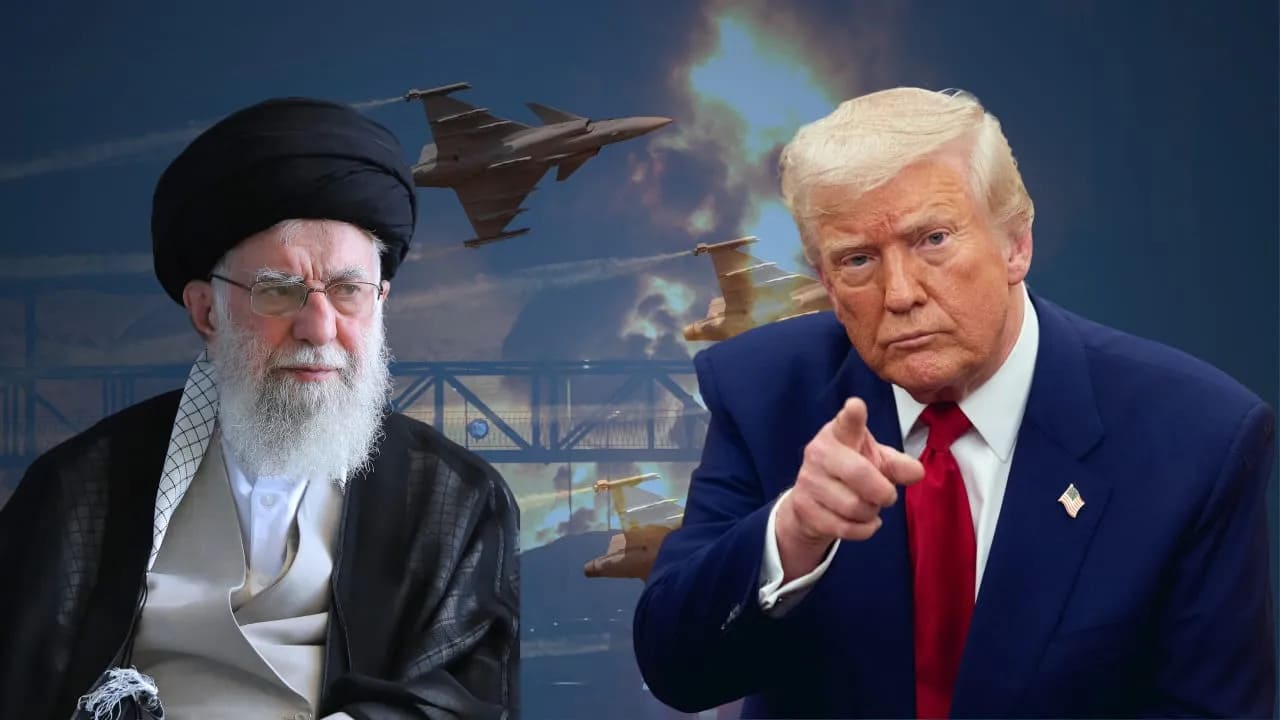
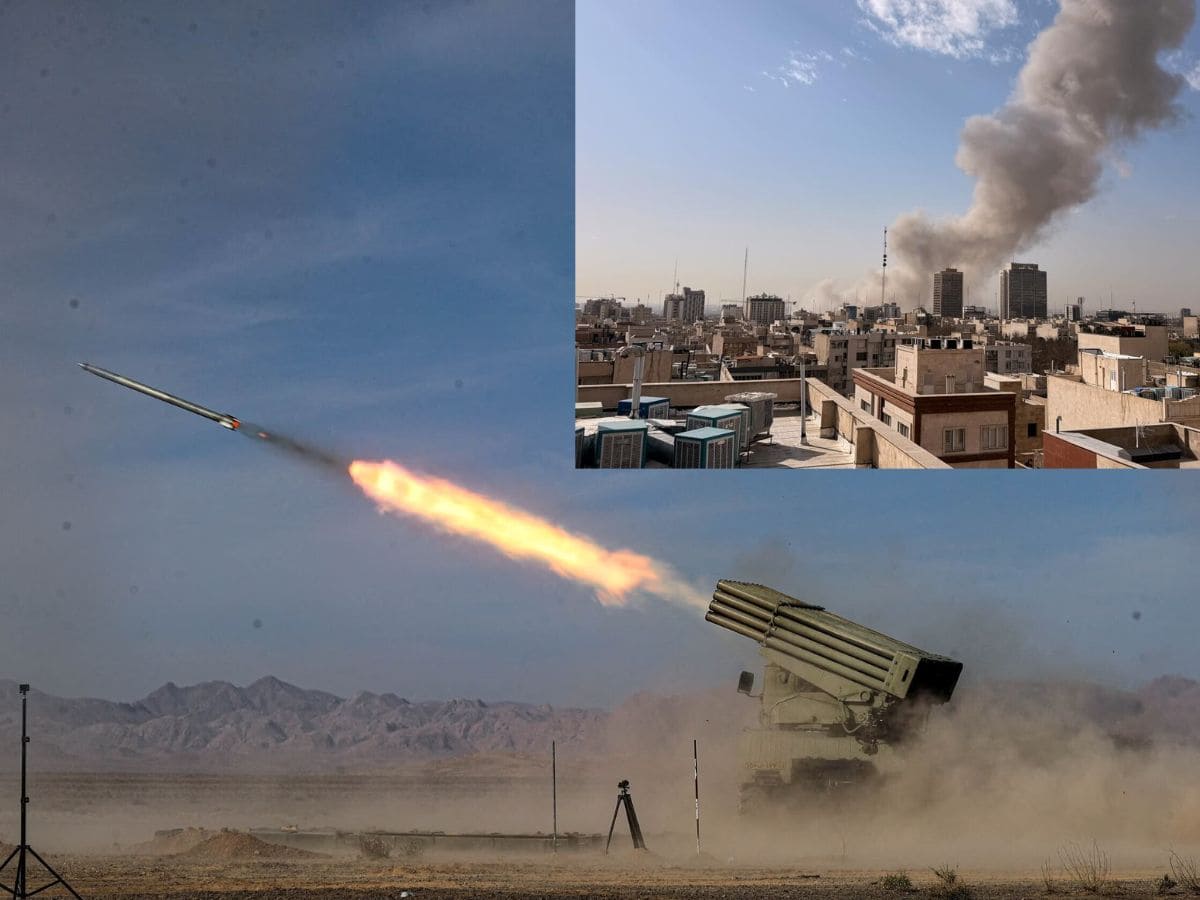
The recent escalation in the Middle East, with the Israel Defense Forces (IDF) launching a new wave of airstrikes against Iranian missile launchers, marks a significant development in the ongoing conflict between Israel and Iran. These targeted strikes highlight the fragile nature of regional security and the complexities of the geopolitical landscape, where military action is often seen as both a necessity and a perilous gamble.
Iran's missile capabilities pose a considerable threat not only to Israel but also to stability across the broader region. With heightened concerns over Iran's advancing military technology and its support for proxy groups, Israel's response to these threats cannot be overstated. The IDF's decision to target missile launchers directly is indicative of a preventative strategy aimed at neutralizing potential attacks before they can materialize, reflecting Israel's commitment to safeguarding its national security.
However, these strikes can also have far-reaching consequences, potentially igniting further conflict. The cyclical nature of retaliatory actions in the region means that each military response risks escalating tensions into broader confrontations. As seen in past conflicts, actions taken in the heat of conflict can lead to unintended consequences, including civilian casualties and a rise in anti-Israel sentiment among regional adversaries.
The international community watches closely as the situation unfolds. Diplomatic efforts to contain Iran's military ambitions and curb its regional influence have been ongoing, yet the effectiveness of such initiatives remains in question. Israel's airstrikes may be perceived as a direct challenge to Iran's ambitions, complicating the already intricate diplomacy involved in seeking a stable resolution to regional grievances.
Furthermore, the stakes of this military engagement are not confined to Israel and Iran alone. The fallout from these actions reverberates throughout the Middle Eastern landscape, affecting relationships between various nations and altering the strategic calculations of allies and adversaries alike. Iran’s responses could lead to increased instability in neighboring countries or provoke retaliatory actions that spiral out of control.
As these hostilities continue, it is crucial to emphasize the importance of dialogue and diplomatic engagement as mechanisms for de-escalation. While military action may be necessary to address immediate threats, longer-term stability in the region demands a comprehensive approach that includes negotiation, compromise, and the involvement of international stakeholders.
In conclusion, the IDF's recent airstrikes on Iranian missile launchers underline the volatile nature of Middle Eastern geopolitics, characterized by a delicate balance between defense and aggression. As both nations move forward, the hope is that diplomatic channels remain open, allowing for a more enduring resolution to conflict and a path toward peace rooted in dialogue rather than continued hostilities. In an increasingly complex world, finding this balance is essential not just for Israel and Iran, but for the broader international community.
반응형


