고정 헤더 영역

상세 컨텐츠
본문
반응형

As the second day of U.S.-Israeli airstrikes in Iran unfolds, the Middle East finds itself engulfed in a crisis that has far-reaching implications. The killing of Iran's supreme leader, Ayatollah Ali Khamenei, in these coordinated attacks has not only triggered immediate military responses but also sent shockwaves throughout the region, heightening existing tensions and uncertainty.
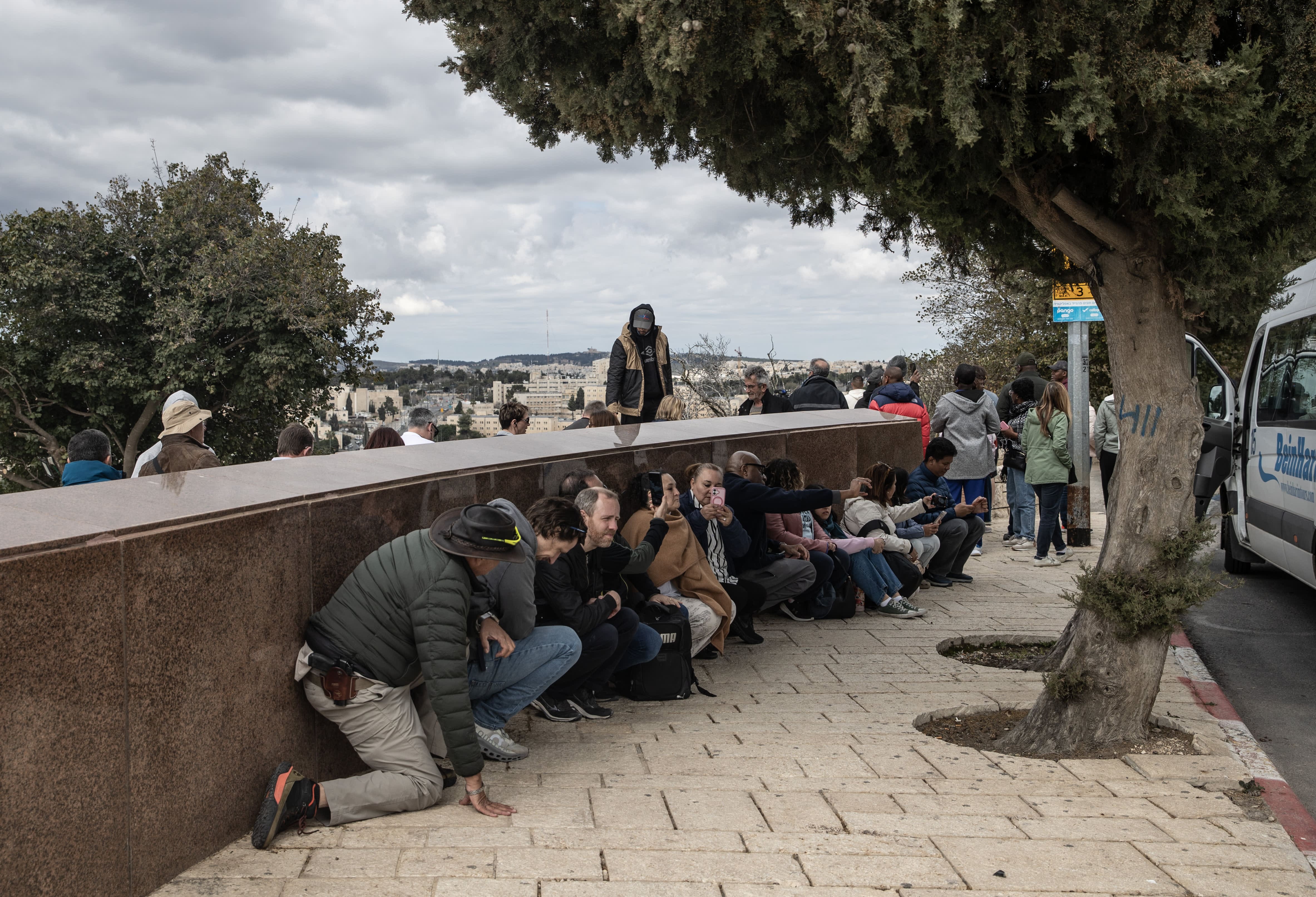
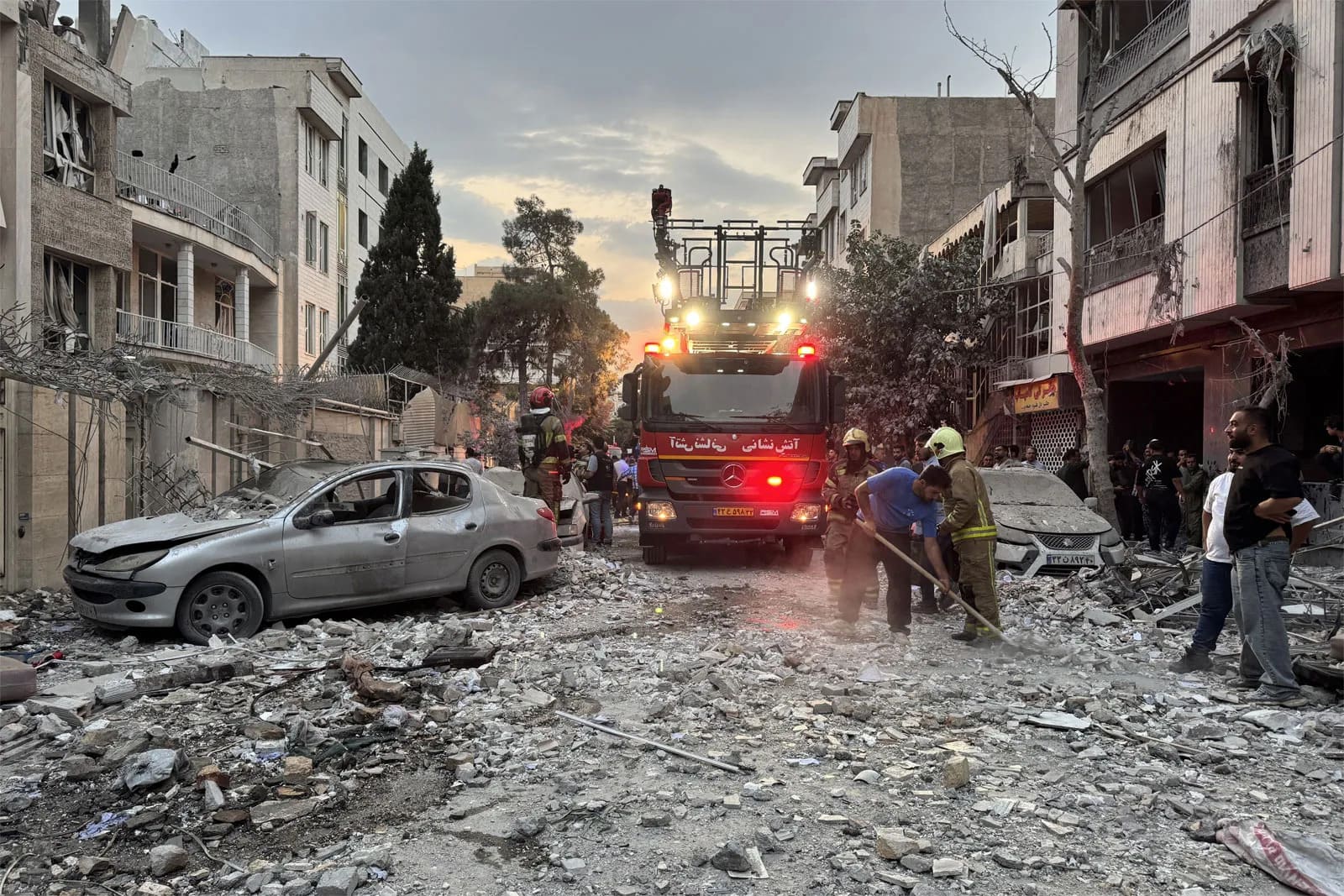
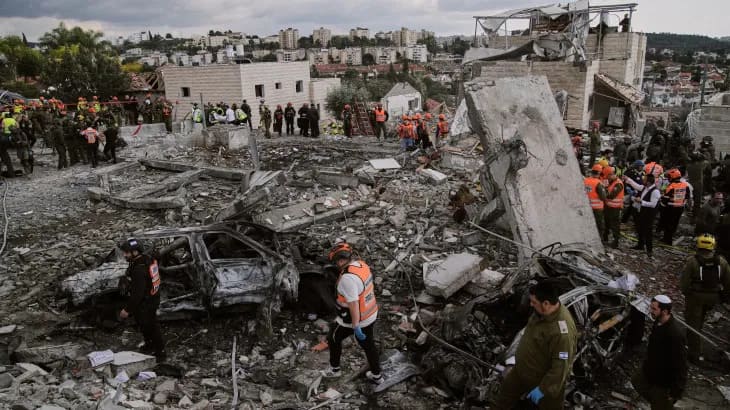
The strikes, aimed at dismantling Iran’s military infrastructure, reflect a proactive approach to curbing the nation's capability to project power and influence across the Middle East. Iran’s missile launches in retaliation, which have targeted U.S. positions and allies, reveal the precarious balance of power in the region. This rapid escalation underscores the volatility that characterizes contemporary geopolitics, where military actions are often met with swift and violent responses.
Following Khamenei's assassination, Iran has promised a vigorous retaliation. Reports of missile attacks hitting U.S. bases and Israeli targets signal a dramatic escalation in hostilities. The Iranian government’s establishment of a temporary leadership council underscores the urgency of maintaining stability within its ranks as it faces both internal strife and external aggression. The swift transition in leadership highlights the complexities of governing in such a tumultuous environment, where the loss of a key figure can spark both mourning and militarized responses.
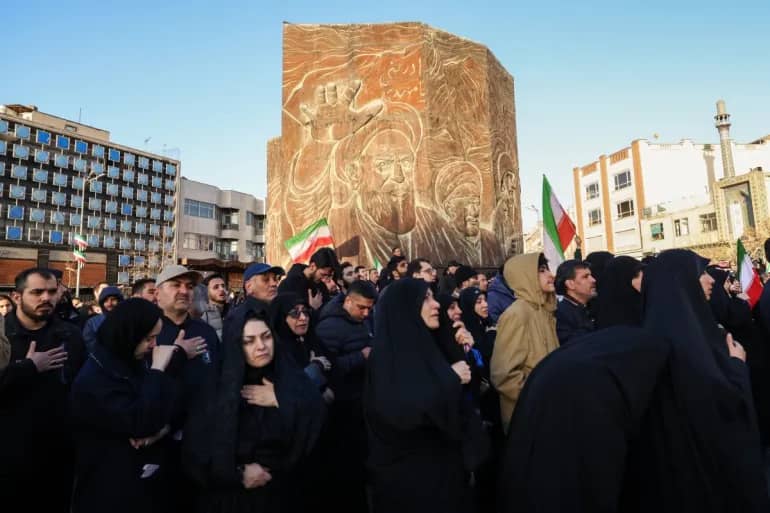
As mourners gather across Iran, the emotional and psychological toll of this conflict is palpable. Many view Khamenei’s death as a martyrdom, fueling nationalist sentiments and potentially consolidating support for hardline policies. Public demonstrations proclaiming revenge against perceived aggressors serve to galvanize the populace, redirecting anger towards foreign powers while complicating any prospects for diplomatic resolution.
The impact of these airstrikes extends well beyond the immediate conflict zone. Regional allies, such as Hezbollah, are now positioned at a crossroads. Although they have publicly vowed to respond, their actions will be carefully measured against the backdrop of international diplomacy and internal societal pressures. Meanwhile, nations like Iraq, caught between their affiliations with Iran and the influence of the United States, face the daunting task of navigating this complex geopolitical landscape without alienating either side.
Moreover, the broader implications for global oil markets cannot be ignored. The potential closure of the Strait of Hormuz, a vital artery for oil transport, raises alarm bells among economic stakeholders, as even a slight disruption in oil supplies could lead to significant price volatility worldwide. The OPEC nations' discussions on increasing production to alleviate such pressures reflect the interconnectedness of the regional conflict with global economic stability.
In conclusion, the unfolding events in the Middle East due to the U.S.-Israeli strikes on Iran illustrate the fragile nature of peace and stability in a region rife with historical grievances and power struggles. As military operations continue, it is imperative for all parties involved to consider the long-term ramifications of their actions. Dialogue, rather than escalation, must be pursued as the ultimate path to security and prosperity in the region. Only through diplomacy can the cycle of violence be broken, paving the way for a future that prioritizes coexistence over conflict.
반응형


