고정 헤더 영역

상세 컨텐츠
본문 제목
A Conscience in Conflict: Joe Kent’s Resignation Highlights Dissent within U.S. Intelligence
본문
반응형
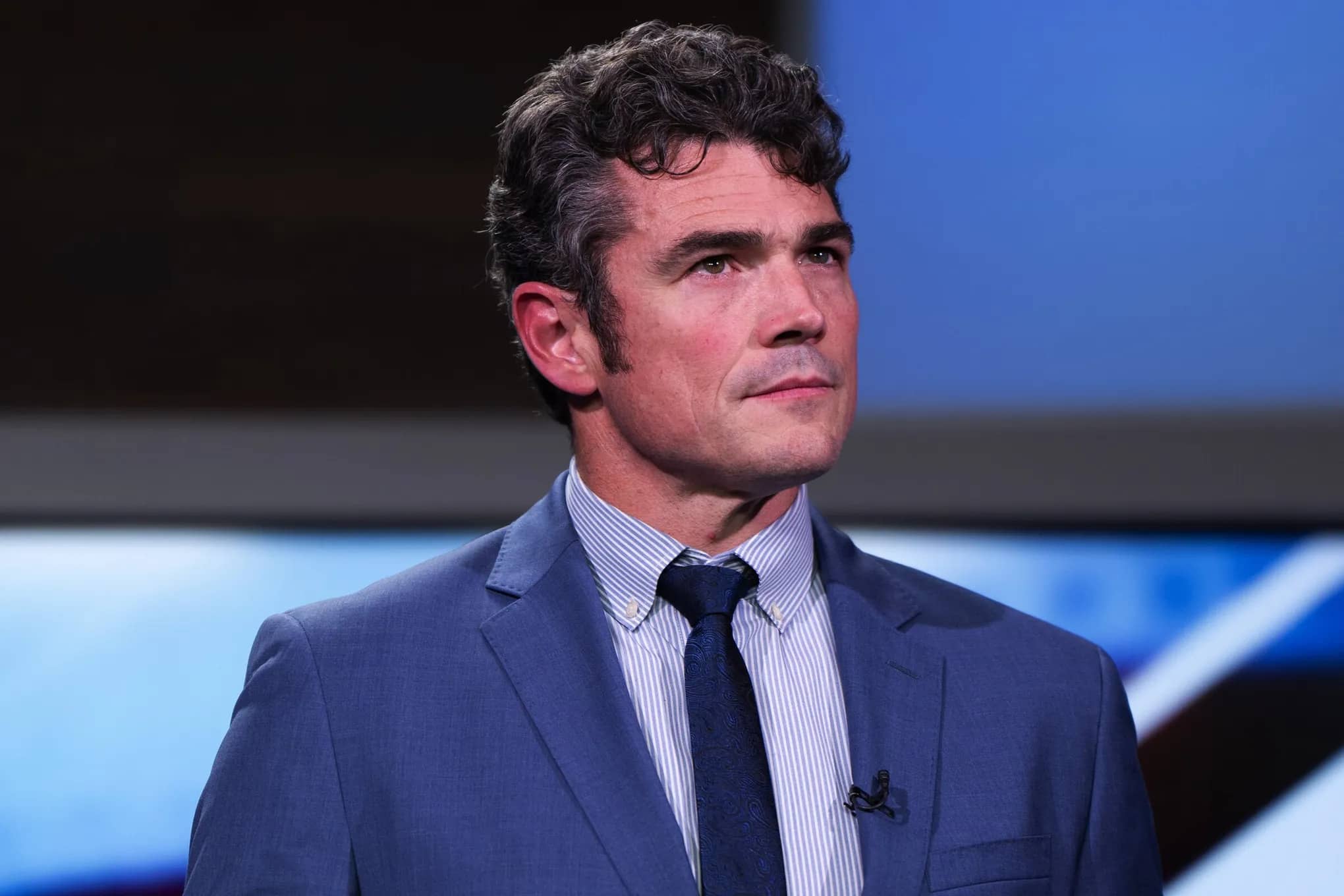
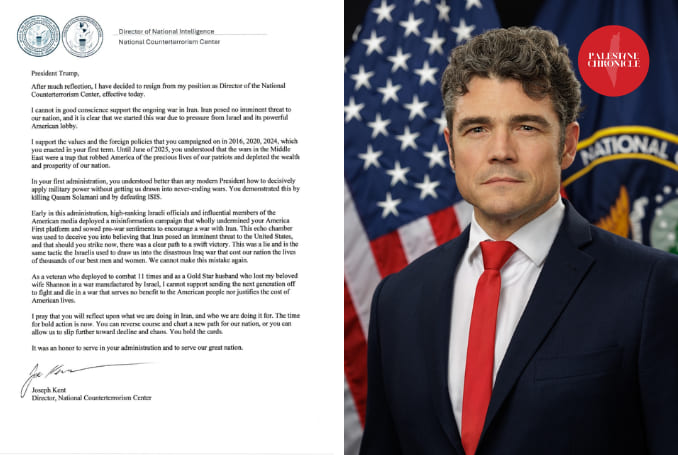
The recent resignation of Joe Kent, a senior U.S. intelligence official appointed by Donald Trump, sends a powerful message about the tensions within the current administration regarding U.S. foreign policy, particularly the ongoing conflict with Iran. Kent’s resignation, clearly articulated in his letter, underscores a critical divergence between intelligence assessments and political motivations—a rift that could have significant implications for U.S. national security strategy.
Kent, who served as the director of the National Counterterrorism Center, boldly claimed that “Iran posed no imminent threat to our nation,” directly challenging the rationale provided by the Trump administration for initiating military action against Iran. His assertion that the war was largely influenced by external pressures, particularly from Israel and its American lobby, posits a concerning view: that domestic policy may be swayed by foreign interests rather than grounded in sound intelligence. This accusation not only highlights the complexities of geopolitical alliances but also raises ethical questions about the integrity of decision-making processes in U.S. foreign interventions.
The fallout from Kent’s resignation exposes cracks in the unified front that the Trump administration has sought to maintain regarding its hardline stance on Iran. While rank-and-file Republicans largely support the war efforts—with polls indicating substantial backing for military action—the voices of dissent from within the intelligence community reflect a deeper discontent with the justifications for such conflicts. Kent’s decision to resign over principled beliefs showcases a moral clarity that is often overshadowed by political expediency.
Furthermore, the response from Trump, who dismissed Kent as “very weak on security,” illustrates a troubling trend: the tendency to label dissenting opinions as signs of weakness rather than as essential components of a robust democratic discourse. Such a perspective risks alienating critical voices in intelligence and defense, voices that often serve as the last line of scrutiny before military engagements.
Kent’s critique also invigorates ongoing debates regarding the United States’ approach to Iran and broader Middle Eastern policy. The historical context surrounding U.S. military involvements, notably the disastrous outcomes of previous conflicts, looms large over current actions. By drawing parallels to the lead-up to the Iraq War, Kent warns against repeating past mistakes motivated by misinformation and external influence—a sentiment echoed by various lawmakers and experts who continue to question the administration’s motives.
As Kent departs from his role, he leaves behind a complex legacy that intertwines his previous advocacy for Trump’s policies with a newfound commitment to truth in intelligence reporting. His background, including extensive military experience, lends credibility to his objections and reinforces the notion that dissent within the ranks is not purely political but stems from informed perspectives on national security.
In conclusion, Joe Kent’s resignation signifies more than just a personal decision; it is a clarion call for a reassessment of U.S. foreign policy towards Iran. It challenges leaders to prioritize intelligence integrity over political allegiance and serves as a reminder that the voices within the intelligence community are vital for ensuring that decisions made in Washington are based on rigorous evaluation rather than external pressures. As the administration navigates this turbulent landscape, the need for transparent and accountable discourse has never been more critical to the future of American foreign policy.
반응형


