고정 헤더 영역

상세 컨텐츠
본문 제목
Courage and Reckoning: What the Allegations Against Cesar Chavez Mean for the Labor Movement
본문
반응형

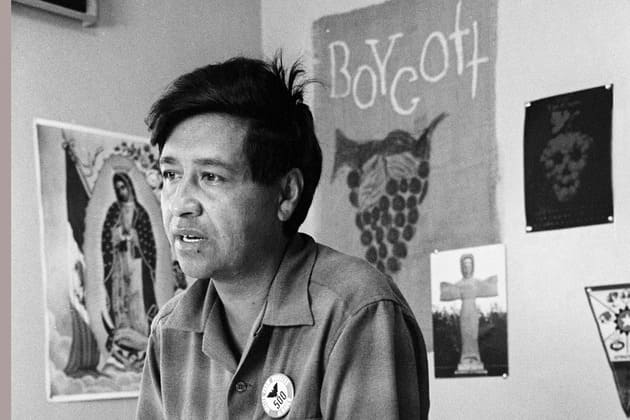
The recent reporting that Cesar Chavez — long venerated as an emblematic leader of the farmworker movement — is accused of sexually abusing underage girls and raping fellow organizer Dolores Huerta forces an uncomfortable but necessary reckoning. These allegations, if substantiated, complicate the narrative of a leader who mobilized marginalized laborers and brought national attention to the plight of farmworkers. They also confront us with broader questions about how movements remember their founders and how institutions respond when the founders' private behavior appears to contradict the public values they championed.
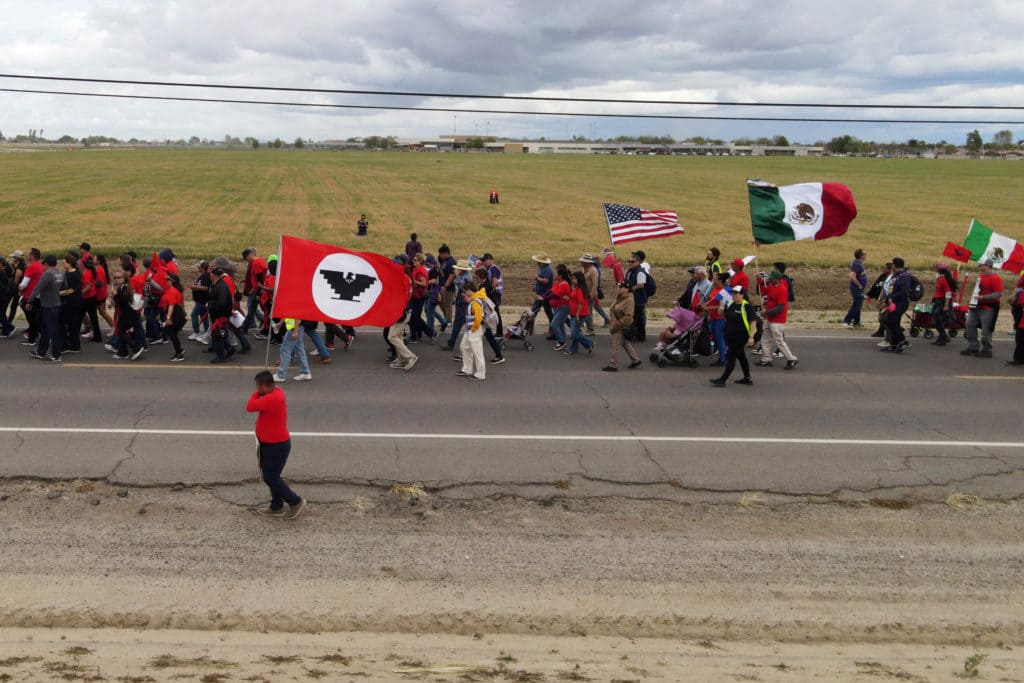
First, the moral dissonance is profound. Chavez’s organizing achievements are part of the historical record: strikes, consumer boycotts, and the creation of the United Farm Workers altered labor politics and improved conditions for many. Yet movements are not immune to the human failings of their leaders. That some within the movement reportedly “whispered” about misconduct for years but did not investigate points to institutional failures of accountability and culture. When charismatic leadership becomes synonymous with organizational identity, allegations can be sidelined, victims silenced, and harms repeated.
Second, the new allegations — including Dolores Huerta’s account that she was raped and the reporting that Chavez fathered children outside marriage and allegedly abused minors — highlight how power operates within social movements. Leaders wield influence not only over public tactics and strategy but over personal relationships and workplace hierarchies. Victims’ long silence, as the Times piece suggests, is understandable given fears of retaliation, mistrust of authorities, and a desire to protect the cause. Yet a movement that values justice must also embrace internal mechanisms that protect members, investigate claims, and prioritize survivors’ needs.
Third, this moment demands thoughtful institutional responses. The United Farm Workers and the Cesar Chavez Foundation have begun to acknowledge the allegations and signal a willingness to respond. That is a necessary first step, but it must be accompanied by concrete action: independent investigations, transparent findings, outreach to alleged victims, and reforms to ensure safeguarding and reporting structures for current organizers and staff. Memorialization — plaques, holidays, and educational curricula — may also need contextualization so that history reflects both accomplishments and harms.
Fourth, the public conversation that follows should resist binary impulses: either erasing Chavez’s contributions or uncritically excusing alleged abuses. Honest historical accounting can hold both truths simultaneously — that Chavez played a pivotal role in improving labor conditions and that serious allegations have now been raised about his conduct. This is an opportunity for the labor community and allied institutions to model how a movement confronts painful truths without betraying its core commitments to dignity and justice.
Finally, we must center survivors. The courage of those who came forward to speak — after decades of silence and pain — deserves respectful attention. Their accounts remind us that institutional legacies are lived experiences for real people, and that accountability is not merely a matter of reputation management but of responding to human suffering.
In sum, the allegations against Cesar Chavez compel a moment of reflection for labor, civic institutions, and the public at large. They test our capacity to hold complex histories in tension: to honor the material gains achieved for farmworkers while earnestly investigating and reckoning with alleged harms by a figure once regarded as beyond reproach. The measure of the movement going forward will be how it responds — with transparency, compassion for survivors, and reforms that prevent abuse and restore trust.

반응형


