고정 헤더 영역

상세 컨텐츠
본문
반응형
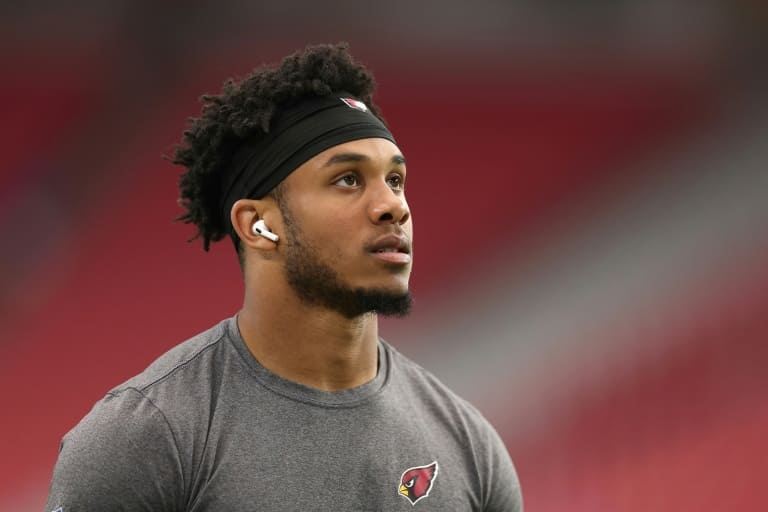
The untimely death of Rondale Moore, the 25-year-old wide receiver for the Minnesota Vikings, has sent shockwaves through the football community and beyond. Found dead at his home in New Albany, Indiana, Moore's passing serves as a stark reminder of the fragility of life, especially in the world of professional sports where young athletes often embody vigor and strength.
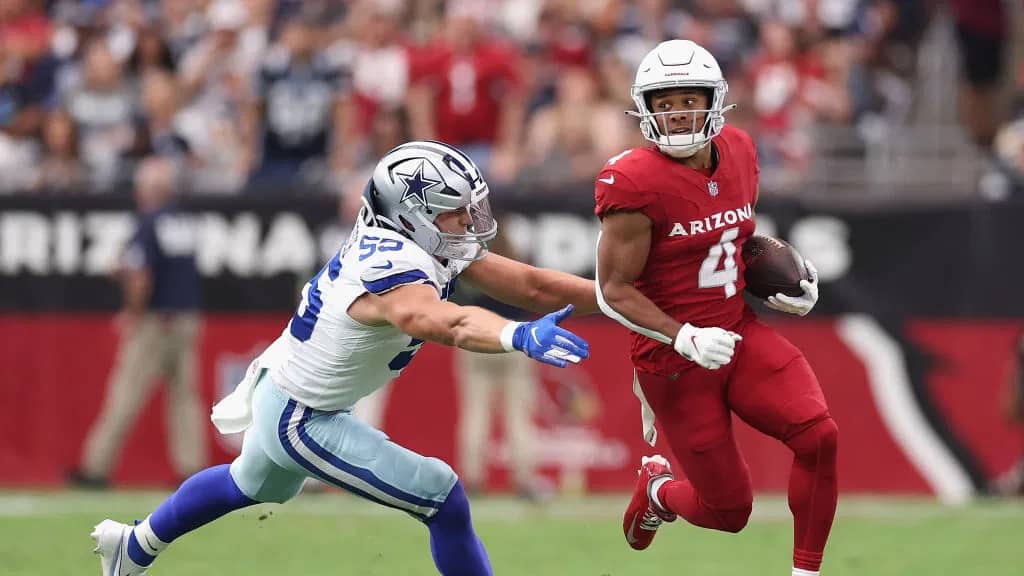
Moore's legacy, though brief, is marked by significant achievements. A second-round draft pick by the Arizona Cardinals in 2021, he quickly established himself as a promising talent, racking up 135 catches and over 1,200 yards during his tenure with the team. His move to the Vikings showcased his resilience after injuries impacted his career, revealing a dedication to the sport and an unwavering commitment to excel despite challenges.
The reaction to Moore's death has been one of profound sorrow and reflection. The Minnesota Vikings, alongside the National Football League (NFL), expressed their condolences, emphasizing not only his talent but also his character. Coach Kevin O'Connell's description of Moore as a humble and respectful young man underscores the personal impact he had on those around him, making the news of his passing even more heartbreaking.
Moreover, the NFL Players Association's statement about the emotional burdens carried by athletes reinforces the need for mental health awareness within sports. This tragedy highlights the often-overlooked pressures that professional athletes face—where physical prowess is constantly scrutinized, and personal challenges can remain obscured behind the public persona.
In times like these, it becomes crucial to initiate conversations about mental health resources and support systems available to players. As the NFL continues to promote a message of well-being among its athletes, Moore's passing should prompt action to ensure that players feel empowered to seek help and access support during difficult times.
The outpouring of tributes from fans, teammates, and former players alike reveals the deep connection that Moore cultivated throughout his career. His impact transcends statistics; he inspired those who watched him play and those who had the privilege to know him personally.
As we reflect on this tragic loss, it's vital to celebrate Moore's contributions to the game he loved and to advocate for a culture within sports that prioritizes both physical and mental health. The memories of his remarkable spirit and the joy he brought to the field will undoubtedly live on, reminding us all of the tremendous impact one individual can have, even in a short time.
In conclusion, Rondale Moore’s premature passing highlights not only the unpredictable nature of life but also the importance of community, support, and open dialogue in the realm of athletics. As we mourn the loss of a promising future, let us also commit to fostering an environment where players can thrive, both on and off the field.

반응형


