고정 헤더 영역

상세 컨텐츠
본문
반응형
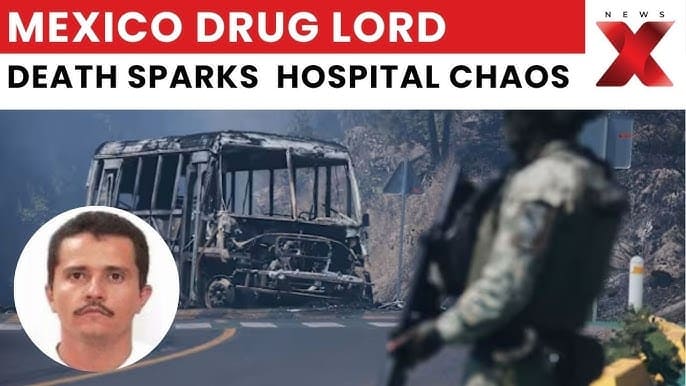
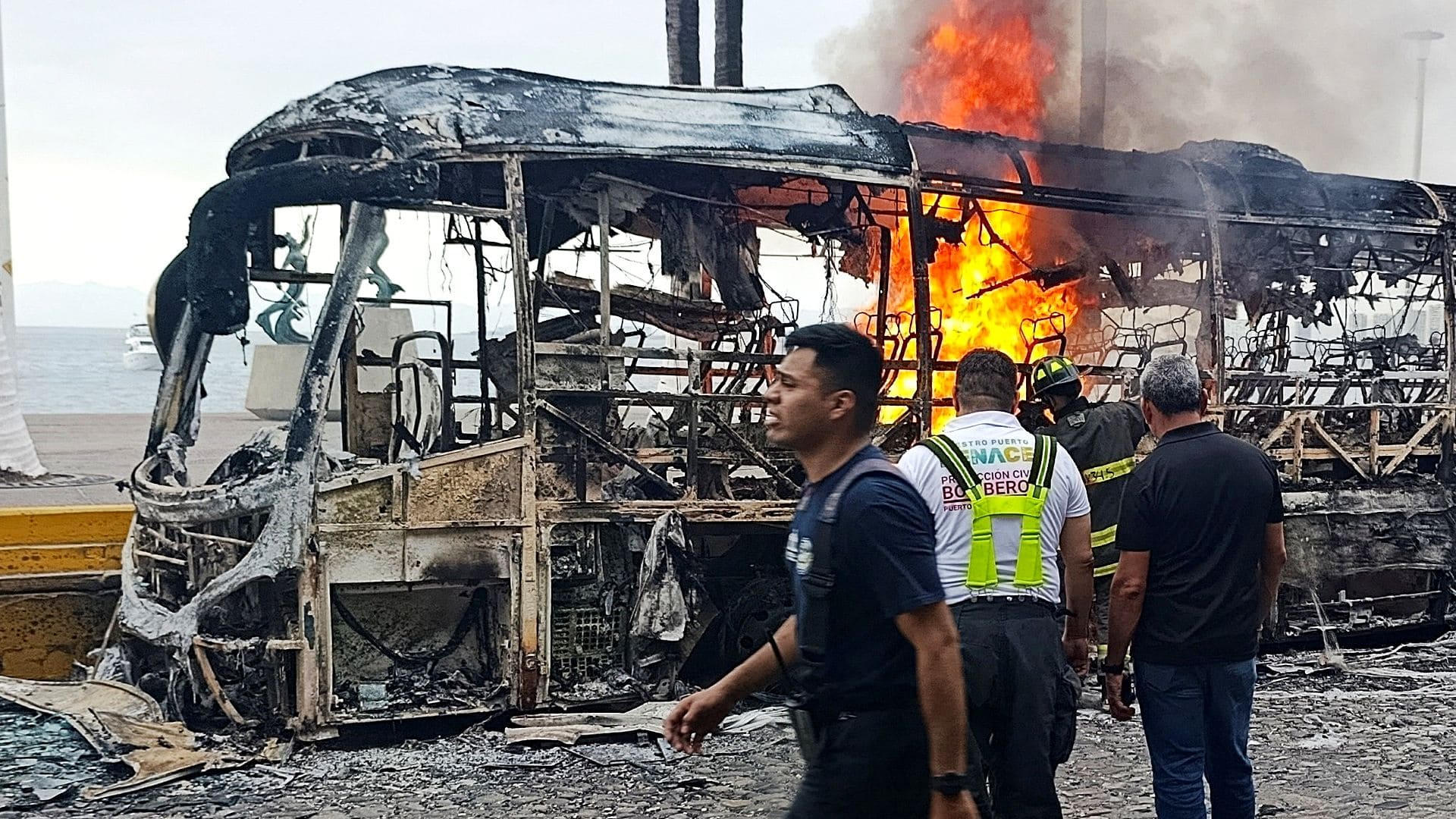
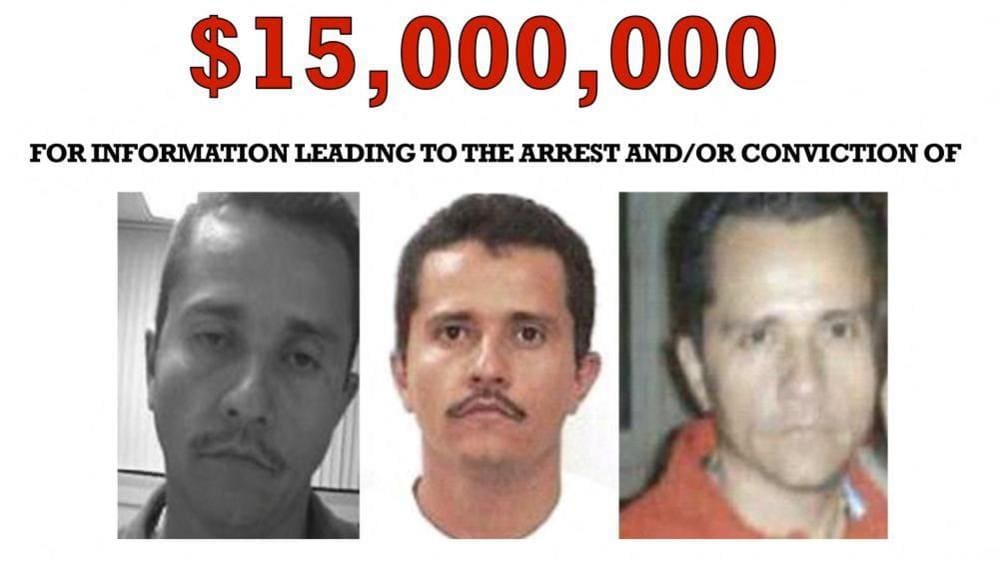
The recent killing of Nemesio Ruben Oseguera Cervantes, known as "El Mencho," the notorious leader of the Jalisco New Generation Cartel, has unleashed a wave of violence and terror upon the otherwise tranquil streets of Puerto Vallarta. Footage capturing the ensuing chaos—thick smoke, flames engulfing vehicles, and widespread panic—paints a stark picture of the turmoil that can erupt when power structures shift within the shadowy world of drug trafficking.
El Mencho's death was a pivotal moment not just for the cartel but also for the communities affected by its reign of violence. The immediate response from cartel members—setting fire to shops and cars—was not merely an act of retaliation but a calculated strategy to instill fear and assert control. As seen through eyewitness accounts and videos shared on social media, the tranquility of Puerto Vallarta was shattered as citizens and tourists scrambled for safety, a harrowing reminder of the ongoing battle between law enforcement and organized crime.
The intensity of these violent outbreaks underscores the complex relationship that exists between drug cartels and the communities they inhabit. While some may view cartel leaders as protectors or benefactors—albeit in a twisted sense—the reality is that their actions frequently lead to devastation and fear. The response from the cartel following El Mencho's death illustrates a desperate attempt to maintain their grip on power, reinforcing the need for comprehensive strategies to address the influence of these criminal organizations.
Moreover, the fear experienced by residents and tourists, as highlighted by accounts of individuals sheltering in their hotels and running for their lives, reveals the broader implications of such violence on public safety and tourism. As businesses and schools closed their doors in the wake of the attacks, the perception of safety in Puerto Vallarta—a popular tourist destination—was irrevocably tarnished. Striking a balance between maintaining law and order and ensuring the safety of citizens and visitors becomes paramount in the wake of such incidents.
This event also raises questions regarding the methods used by law enforcement in combating organized crime. While the killing of a high-profile drug lord may be lauded as a victory, the subsequent chaos demonstrates a troubling reality: that the vacuum of power left behind can lead to even more instability. It highlights the necessity for not just decisive action against drug lords but also long-term solutions that address the root causes of drug trafficking and violence.
As we reflect on the events following El Mencho's death, it becomes clear that the repercussions of such violence extend far beyond the immediate physical chaos. The psychological toll on the community, the impact on tourism, and the ongoing struggles with drug violence emphasize the need for a comprehensive policy response that includes community support, public safety enhancements, and sustained law enforcement efforts.
In conclusion, the turmoil ignited by the killing of Jalisco's drug kingpin serves as a stark reminder of the complexities surrounding organized crime in Mexico. As authorities work to reestablish order, it is crucial to consider not only the immediate aftermath but also the long-term strategies required to foster safety and security in a region too often defined by its struggles with violence and fear.

반응형


