고정 헤더 영역

상세 컨텐츠
본문
반응형
The skies above Michigan have recently witnessed a total lunar eclipse, but for those eager for the next spectacular event, patience will be essential. With the next total lunar eclipse not occurring until June 26, 2029, residents must endure a lengthy wait; the anticipation is not merely about the spectacle itself—it encapsulates a broader appreciation for astronomical events that inspire wonder and curiosity.
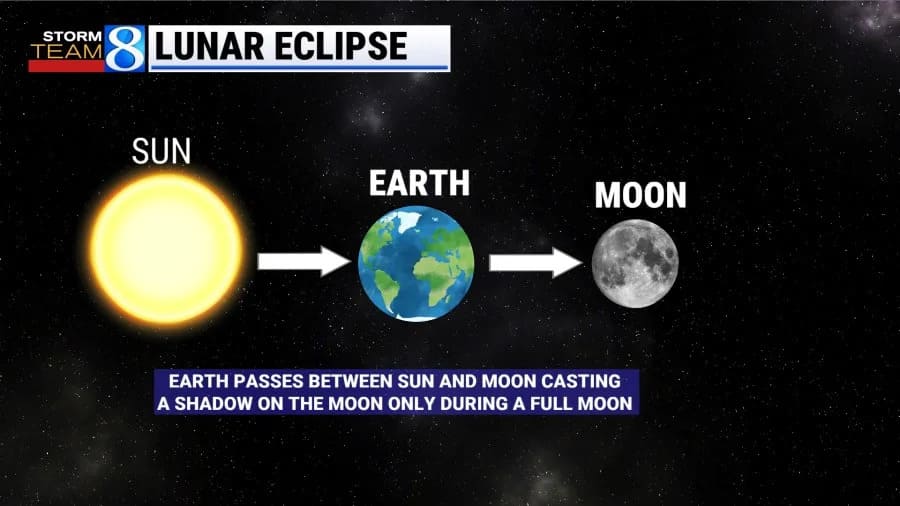
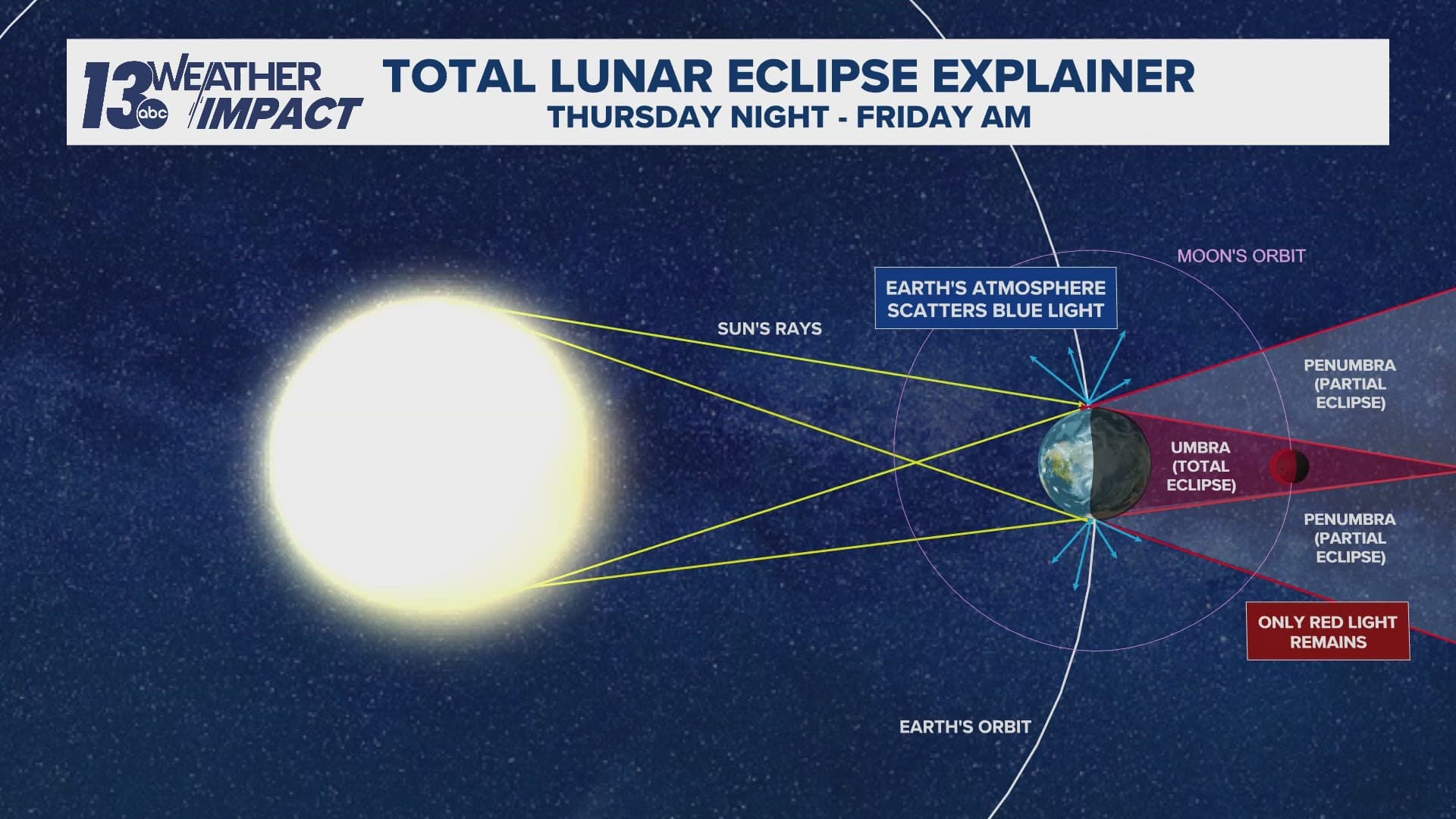
Lunar eclipses, particularly total lunar eclipses, offer a unique opportunity for connection to the universe. These astronomical phenomena occur when the Earth aligns perfectly with the sun and moon, casting a shadow that completely covers the moon. This natural occurrence transforms the moon into a breathtaking reddish hue—sometimes referred to as a "blood moon"—captivating those who gather to observe it.
In the interim, Michiganders will have the chance to witness a partial lunar eclipse on August 27-28, 2026. While not as dramatic as a total eclipse, partial eclipses still present a fascinating spectacle, reminding us of the celestial mechanics at play. This upcoming event offers a valuable moment for educators and enthusiasts alike, providing opportunities for learning and engagement with the wonders of astronomy.
The excitement leading up to a total lunar eclipse often draws communities together, fostering a shared experience of exploration and appreciation for the cosmos. As we reflect on the time until the next total lunar eclipse, it serves as a gentle reminder of the rhythms of the natural world. The waiting period is not simply a passage of time; it is an opportunity for reflection, preparation, and anticipation of an event that, though infrequent, carries with it a sense of magic and connection to the universe.
Furthermore, the understanding that the upcoming total eclipse will not be visible from Michigan adds a layer of complexity. While many across parts of Africa, Europe, and Asia will witness this remarkable celestial event, Michiganders will need to hold on to their interest and enthusiasm. This, in itself, speaks to the resilience of the human spirit—our ability to find joy and meaning in anticipation and shared experiences.
In conclusion, the long wait for the next total lunar eclipse is a microcosm of our relationship with the cosmos. It encourages us to appreciate not just the spectacle of celestial events but the journey we take as we await them. As we prepare for the partial lunar eclipse in 2026 and acknowledge the distant date of 2029 for the total eclipse, we are reminded that the universe operates on its own timeline, one that invites us to marvel at its beauty even in moments of waiting.

반응형


