고정 헤더 영역

상세 컨텐츠
본문
반응형
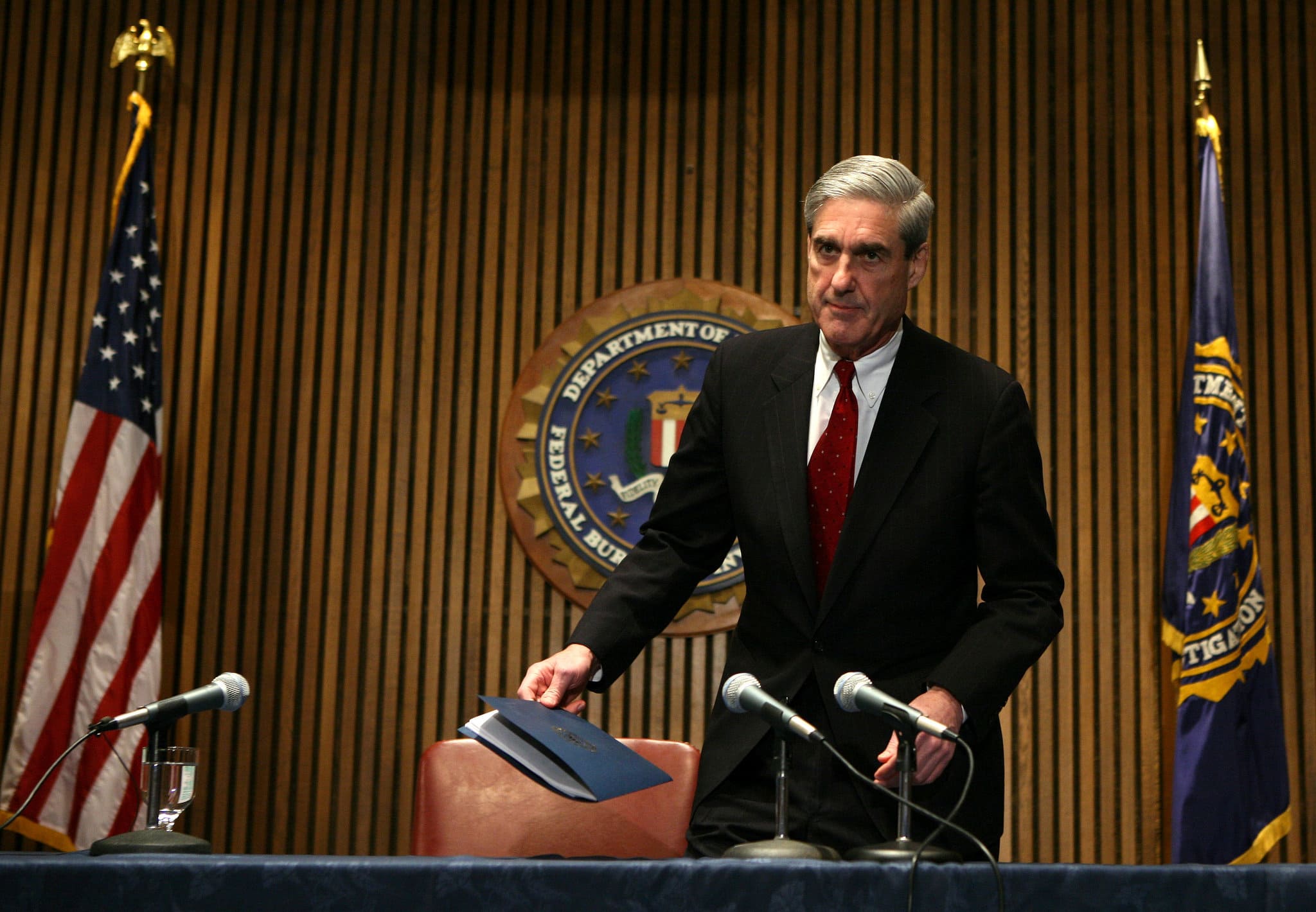
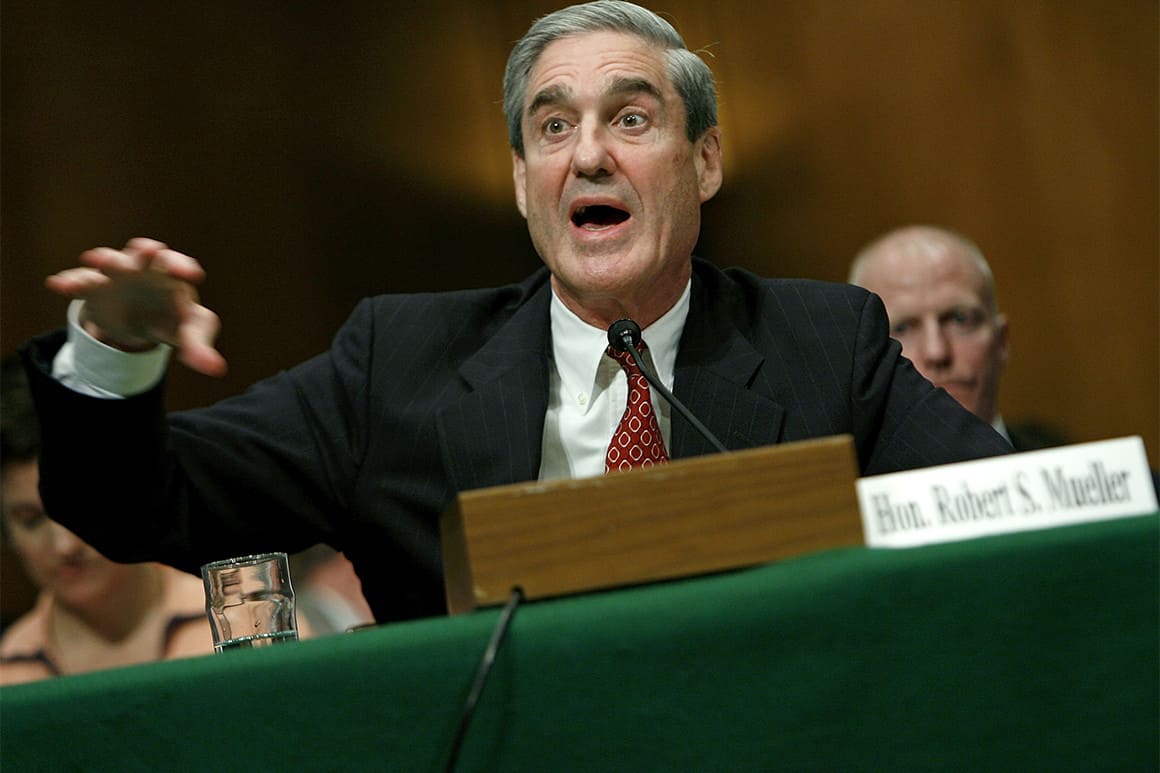
Robert S. Mueller III’s death marks the end of an era defined by an austere but consequential idea: that an investigator’s first duty is to the facts, not the preferences of any political moment. For many Americans, Mueller became the emblem of institutional seriousness—someone who pursued accountability while insisting, through process and temperament, that the legitimacy of law enforcement depends on restraint as much as resolve.
Mueller’s legacy—especially his leadership during high-stakes investigations—illustrates a hard truth about democratic systems. Investigations of presidential-level conduct are never merely technical undertakings; they become tests of whether the rule of law can outlast polarization. In that sense, Mueller’s public reputation was not only about what findings were made, but about how the work was conducted: methodically, with an emphasis on evidence and legal boundaries, even when those boundaries frustrated the immediate appetite for political clarity.
Just as importantly, Mueller’s career has also served as a reference point for what the FBI and related institutions are supposed to represent to the public. He was widely viewed—by supporters and critics alike—as a figure whose role depended on credibility. And credibility, in an era of constant accusation, is the currency of authority.
The question that will likely dominate remembrance is whether Mueller’s approach can endure in future investigations—whether institutions can maintain independence when political incentives reward speed, narratives, or scapegoating. The answer will not come from tributes alone. It will come from governance choices: staffing decisions, evidentiary standards, and the willingness to allow uncomfortable findings to stand.
In mourning Mueller, the country is not simply losing a prominent figure. It is confronting what he symbolized: the attempt—imperfect, contested, and sometimes delayed—to keep American accountability attached to the discipline of law. His life invites a sober reflection: that democratic trust is built not only through outcomes, but through process.
A failure of grace as a governing habit
Mueller’s public identity, regardless of partisan view, was anchored in the idea of institutional seriousness—an investigator who operated within legal boundaries and whose work functioned as a stress test for rule-of-law norms. Trump’s decision to frame Mueller’s passing as something to be dismissed rather than met with restraint reflects a broader pattern in which perceived political enemies are treated differently even after they are gone. Bash’s critique—Trump’s refusal “to show any grace to perceived foes, even after death”—is less about one statement than about how power defines who deserves empathy.
Why the reaction matters beyond tone
Some may argue this is only rhetoric, but tone in high office is never simply decorative. It shapes how officials interpret the limits of acceptable conduct and how the public understands the moral responsibilities of leadership. Celebrating death, or leaning into it as a political win, signals that the administration’s conflict logic continues unabated. It also risks normalizing a culture where civility is viewed as weakness—a theme Trump himself echoes when dismissing dissent as incompetence.
Mueller’s legacy and the politics of mourning
The most striking aspect is the asymmetry: Mueller’s work was widely discussed as an episode of national consequence, and his role placed him at the intersection of intelligence, law enforcement, and public trust. By contrast, Trump’s response appears indifferent to the symbolic weight of that intersection. In democracies, mourning is not only personal; it is institutional. It communicates whether a country believes that certain roles should be treated with dignity, even when the outcomes are contested.
The bigger implication: what comes after the jab
A president who treats such moments as ammunition is also telling us what kind of political environment will follow: one in which accountability processes are delegitimized, and where emotional escalation becomes a substitute for policy argument. That does not change Mueller’s historical record, but it changes how institutions—and citizens—are encouraged to relate to them.
In short: Even if Trump’s response fits his style, CNN’s framing is right to insist that style is not an excuse. There remains a baseline expectation of human decency and presidential responsibility. Mueller’s death deserved solemnity, not celebration—because the purpose of public service, and the health of democratic life, depends on limits that leaders are supposed to model, not violate.

반응형


