고정 헤더 영역

상세 컨텐츠
본문
반응형
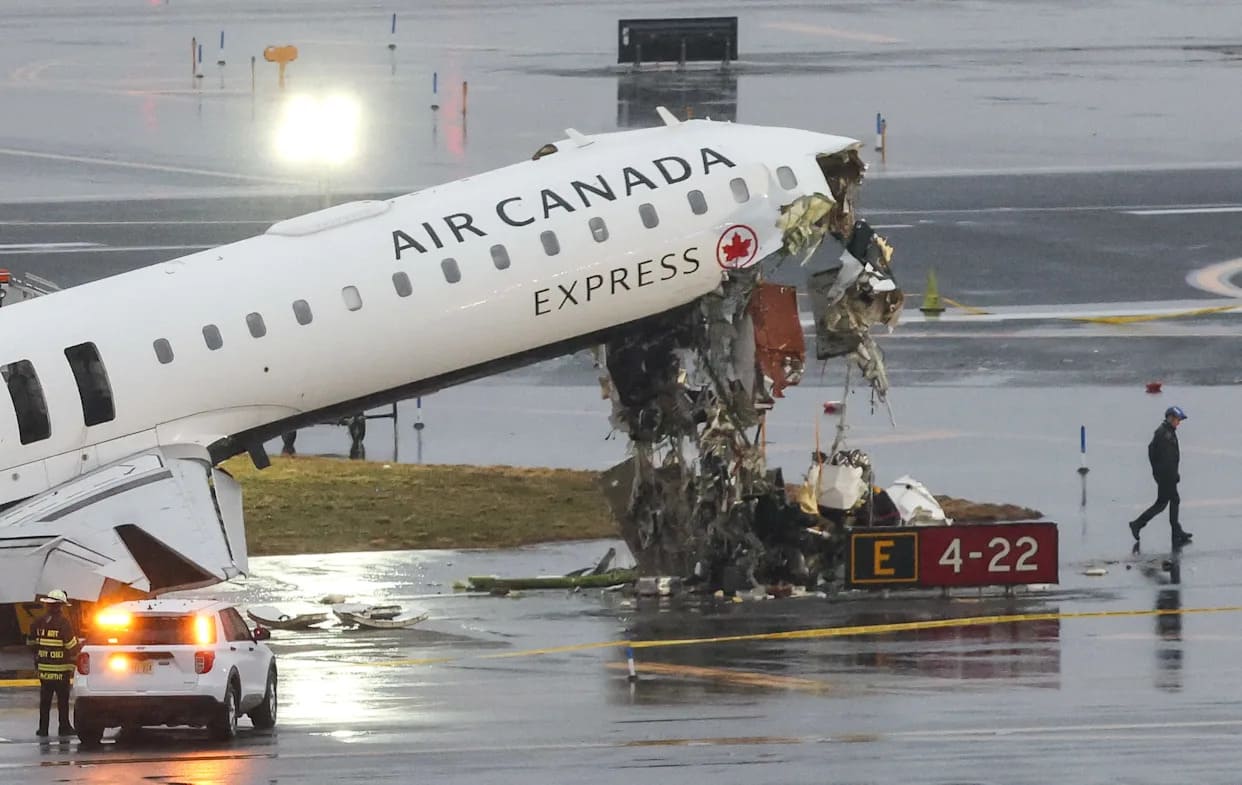
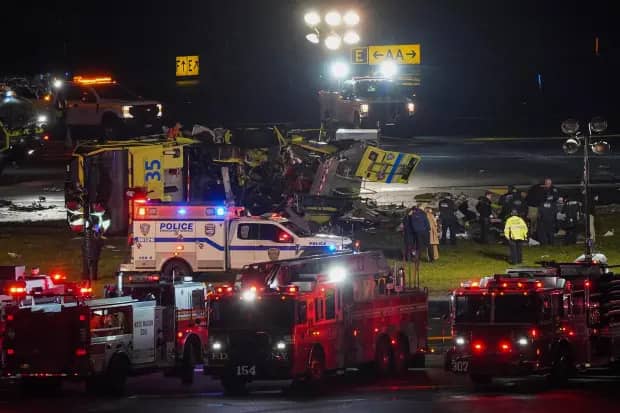
As CNN reports in its video roundup, investigators investigating the LaGuardia crash will be looking closely at the coordination failures that can occur when multiple systems—aircraft, ground vehicles, and air-traffic control—must operate with perfect timing.
The core focus highlighted in the report is communications between the fire truck, the airplane, and the air-traffic control tower. In a collision scenario, the truth often lies not only in what happened, but in what was said, heard, and understood in real time: whether messages were transmitted clearly, whether expectations matched operational reality, and whether any confusion in the chain of command contributed to the moment of impact.
1) Communications as the “first causality”
Aerial incidents frequently turn on human and procedural factors—especially in the seconds where pilots, dispatchers, and controllers must rapidly confirm positions and intentions. By examining communications among the aircraft, the truck, and the tower, investigators can evaluate whether everyone involved operated on the same situational picture—or whether an informational gap created the conditions for disaster.
2) Airspace management and runway sequencing
Even when physical visibility seems adequate, runway operations depend on strict sequencing: vehicles must receive correct clearance, aircraft must land with confirmed readiness, and controllers must ensure that the airfield remains collision-free. The communications review allows investigators to reconstruct that runway timeline with precision.
3) Ground operations under urgency
A fire truck’s presence introduces additional complexity. Emergency response assets are vital—yet their movement must be integrated safely into ongoing aircraft operations. The investigation focus suggests that authorities will test whether emergency movement protocols and coordination practices worked as intended at LaGuardia.
4) Building a complete timeline for accountability
Ultimately, the reason investigators begin with communications is that it helps produce a defensible timeline. That timeline is what enables investigators to separate mechanical malfunction from coordination failure, and it also determines which agencies or procedures—rather than individuals alone—need reform.
Conclusion
The CNN report signals that this investigation will prioritize the information ecosystem surrounding the crash: how the fire truck, the airplane, and the control tower exchanged critical data and whether that communication was sufficient to prevent a deadly overlap. In aviation safety, such questions are never academic—because when timing and understanding fail, the resulting loss of life becomes the ultimate, irreversible consequence.
반응형


