고정 헤더 영역
상세 컨텐츠
본문
반응형
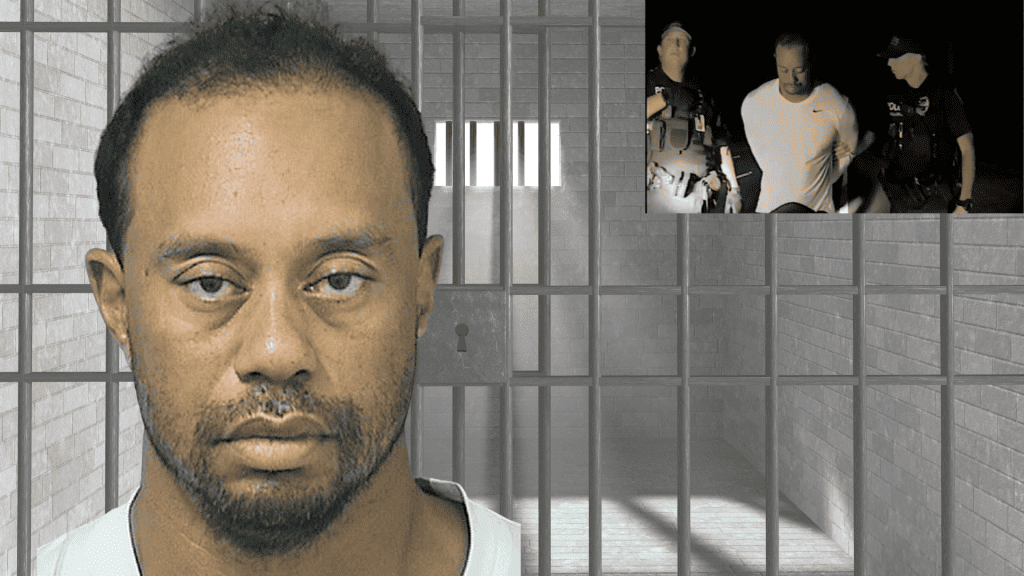
Tiger Woods’ future after his most recent arrest is, at least for the immediate term, not best understood as a question of golf, but of priority, risk, and credibility—both in the legal sense and in the public imagination. As the BBC piece frames it, the story has quickly shifted from an arduous medical recovery narrative into something far darker: another crash, another arrest, hours in jail, and charges including driving under the influence, refusing a urine sample, and damaging property.
1) Near-term priority: damage control and compliance
The BBC makes clear Woods’ day-to-day concerns must now “lie elsewhere.” Even if his body has been fighting a long war—ruptured Achilles and back surgeries that have already complicated his ability to play—his current situation introduces a different battlefield: legal obligations and the practical consequences that follow arrest.
In other words, the calendar question (“Would he play the Masters?”) is eclipsed by the procedural question: what happens next in the investigation and prosecution timeline, and whether Woods’ circumstances allow him to participate in any major public commitments.
2) Competitive future: possibility remains, but the pathway looks narrower
The article notes Woods has been attempting to recover toward elite competition—registering for events such as the U.S. Senior Open and making appearances like the TGL simulator finals. However, the BBC also emphasizes that, aside from indoor or limited appearances, we haven’t seen him compete outdoors since July 2024.
That matters now because even in the best scenario—where his health permits—arrest-related restrictions and legal scrutiny can meaningfully constrain training time, travel, and eligibility. Woods’ future as a competitive figure may not end, but it likely becomes more conditional, less certain, and harder to plan around.
3) Reputation: the “other kind of bunker”
The BBC’s strongest rhetorical move is to contrast Woods’ ambitions with the reality of repeated road incidents. The language suggests this is no longer an isolated detour. It is a continuing pattern that has repeatedly collided with the “wholesome” mythology fans attach to champions.
Given that this arrest comes after earlier high-profile driving incidents (including those tied to medication reactions and later consequences), the reputational cost is additive rather than replaceable. That will affect how sponsors, tournament partners, and even the broader golfing establishment weigh his future visibility.
4) Legacy: what survives is leadership work, not headlines
Interestingly, the piece highlights that Woods’ influence of late has partly moved “off the course”—chairing the PGA Tour’s Future Competitions Committee and shaping the sport’s response to LIV Golf. That kind of institutional role may become more durable than tournament appearances because it depends less on day-of-event performance and more on governance and competence.
So his “future” may split into two lanes:
Athletic lane: increasingly unpredictable due to health, legal constraints, and scrutiny.
Leadership lane: potentially the more stable platform for his enduring legacy.
Bottom line
After this latest arrest, Woods’ future is unlikely to be defined by a single answer like “Will he play the Masters?” Instead, it will be shaped by legal process, compliance, and whether he can rebuild trust after a renewed pattern of incidents. The BBC’s framing suggests that, for now, golf—however meaningful—must be secondary to the far more immediate work of confronting the consequences of his latest actions.
If you want, tell me the tone you prefer (more empathetic vs. more critical), and I’ll rewrite the commentary in that style.

반응형


