고정 헤더 영역
상세 컨텐츠
본문
반응형

Miley Cyrus’ return to Hannah Montana—with the Disney+ “Hannah Montana 20th Anniversary Special”—was less a nostalgic stop than a deliberate acknowledgment of a fan base that kept the franchise alive across two decades. In her remarks, Cyrus framed the special as “a gift” to viewers: a thank-you for their loyalty, for sustaining her career, and, notably, for enabling the life she says she’s been able to build because of their support.
What makes this moment worth analyzing is the way Cyrus ties celebrity continuity to audience devotion. The message is not simply “thank you for watching,” but “thank you for staying.” Over 20 years, fandom becomes a kind of quiet infrastructure—turning a television persona into a cultural throughline. Cyrus’ language suggests that the show’s longevity is not only a story of her own work, but of a reciprocal relationship between performer and community.
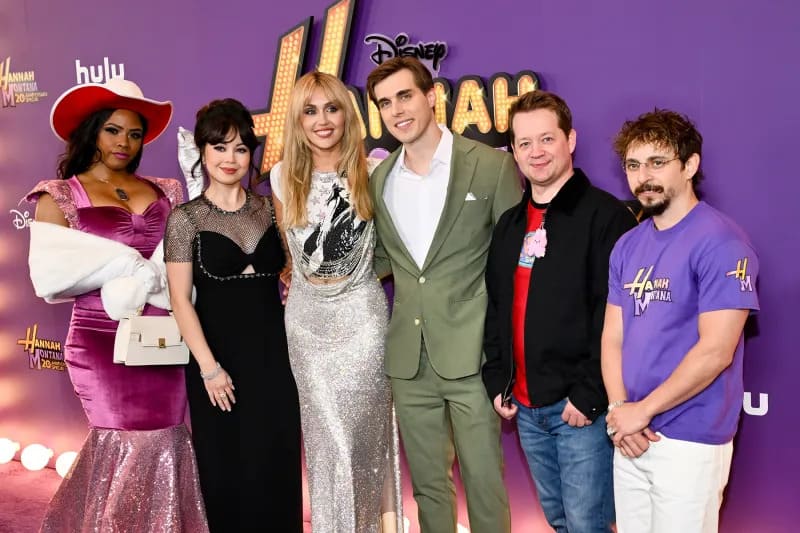
The special also functions as a strategic reunion of sorts, bringing cast members back into the public imagination. Cody Linley and Jason Earles, for example, used their red-carpet appearances to signal authentic connection—Earles even wearing an “authentic” piece from the show, despite it no longer fitting. That kind of detail matters because it emphasizes physical continuity with a past that fans can recognize instantly. It’s a reminder that for longtime viewers, the charm of Hannah Montana lies in the specificity of its world: the costumes, catchphrases, and lived-in artifacts of the series.
At the same time, the coverage highlights how the Hannah Montana brand has fragmented into multiple personal meanings for the cast. Lainey Wilson’s reflection—portraying the character for birthday parties for five years—illustrates how the show escaped its original broadcast schedule and became a framework for imaginative play and identity. JoJo Siwa’s discussion of buying merchandise further reinforces the point: fandom is not merely passive consumption, but material and emotional investment.
Finally, Cyrus’ comment about releasing new music “in the near future” positions the special as a bridge rather than an endpoint. The anniversary celebrates a legacy, but it also re-centers her ongoing artistic trajectory. That duality—honor the past while pointing forward—is perhaps the most persuasive aspect of the moment. It tells fans that the affection they once offered hasn’t been “used up” for nostalgia’s sake; it’s being carried into what comes next.
In sum, the “20th Anniversary Special” is framed as gratitude, reunion, and continuity. But beneath the warm sentiment sits a clear cultural mechanism: loyalty turns entertainment into belonging, and belonging becomes the durable foundation on which careers and communities endure.

반응형


